
Reviewed · OKAYAMA & KURASHIKI TOURS
Cooking and Eating Bara Sushi A Local Dish from Okayama
Okayama’s bara sushi is not the neat, single-piece sushi you may know from restaurant counters. It is a generous spread of sushi rice topped with more than 10 kinds of fish and vegetables, and this three-and-a-half-hour experience lets you make it with local home cooks. You learn the dish’s story, arrange the ingredients to your taste, and eat what you create.
I like the hands-on cooking and the chance to hear about a food tradition from people who have made it for years. I also like the friendly, small-group setting linked to Hisao Tsugita, which feels more personal than a standard cooking class.
The main consideration is getting there. The meeting point is in Kurashiki, but the directions refer to JR Soja Station, followed by a 25-minute walk or five-minute taxi ride. Check the exact route before you set out, especially if your day begins in central Okayama.
In This Review
- Key points at a glance
- Why bara sushi is worth your lunch break
- The 10:30 start and the journey to the meeting point
- Entering a renovated historic house
- Preparing the fish, vegetables, and sushi rice
- Making a portion that suits your taste
- Lunch with miso soup
- What the price delivers at $42.27
- Who should book this experience
- Booking, timing, and cancellation advice
- Should you book the Okayama bara sushi class?
- FAQ
- Where does the bara sushi activity take place?
- What time does the experience start?
- How long does the activity last?
- How do I reach the meeting point by public transportation?
- Is transportation included?
- Is lunch included?
- Do I need cooking experience?
- Can I cancel for a full refund?
Key points at a glance
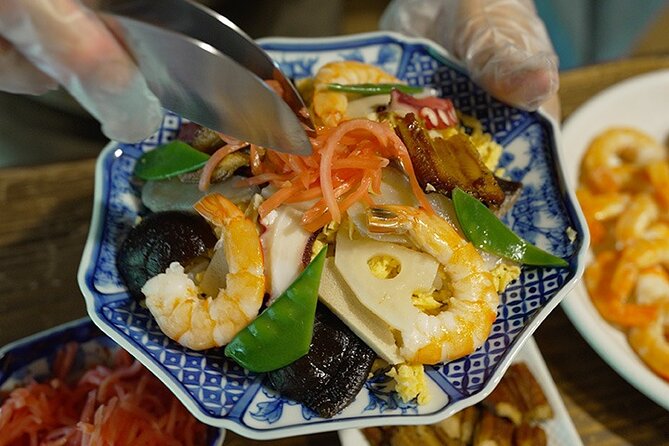
- More than 10 local ingredients: Fish and vegetables are simmered or pickled, then placed over sushi rice.
- Guidance from local home cooks: You do not need cooking experience to take part.
- A food story before the meal: The session explains the background of Okayama’s bara sushi before you prepare it.
- Your sushi, your choices: You decide which ingredients to add and how much of each to serve.
- Lunch is included: You eat your bara sushi with miso soup at the end.
- Private for your group: Only your own party takes part, with a mobile ticket and free cancellation up to 24 hours before the start.
Why bara sushi is worth your lunch break
Bara sushi gives you a useful lesson in regional Japanese food. Instead of presenting seafood and vegetables as separate side dishes, the cook prepares a colorful assortment and places it on seasoned sushi rice. The result is part rice dish, part celebration platter, and part record of what grows or is caught nearby.
The cooking method matters. The ingredients are not simply laid raw across the top. The fish and vegetables are prepared in advance, with some simmered and others pickled in vinegar. That preparation gives you several flavors and textures in one bowl or serving, rather than one dominant taste.
You also get to decide how your own portion looks. The class does not appear to force every person into the same arrangement. You can choose the ingredients you want and control the amount, which is useful if you are cautious about unfamiliar fish or prefer more vegetables.
I like that this is a home-style dish rather than a lesson built around restaurant technique. You are not being asked to copy a professional sushi chef’s knife work. The emphasis is on understanding a local meal and putting it together with help from cooks who have prepared it for many years.
That makes the class approachable for families, first-time cooks, and anyone who wants a cultural activity without needing Japanese cooking skills. It also gives experienced home cooks room to think about seasoning, presentation, and the way regional dishes are passed from one generation to the next.
A few more Kurashiki tours and experiences worth a look

The 10:30 start and the journey to the meeting point
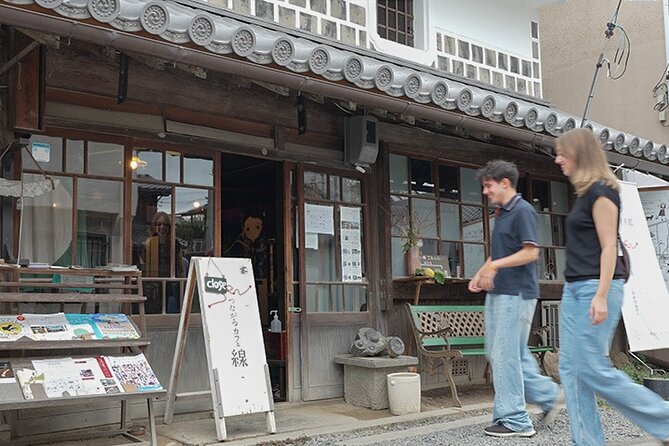
The activity begins at 10:30 am and lasts about three hours and 30 minutes. That timing makes it a full morning-to-lunch plan, so avoid pairing it with a rushed early afternoon reservation on the other side of Okayama.
The listed meeting point is Kurashikiekikitahirobajikayoshaseiriba Parking Lot, 13-2 Kotobukicho, Kurashiki, Okayama 710-0813. The activity ends back at that same meeting point, which simplifies the rest of your day once lunch is over.
The directions also state that JR Soja Station is about 30 minutes from Okayama Station and 11 minutes from Kurashiki Station. From Soja Station, you can walk for about 25 minutes or take a taxi for roughly five minutes. Since the meeting point information and the station directions use different place names, I would confirm the exact arrival route after booking rather than rely on a last-minute map search.
Public transportation is nearby, but private transportation is not included. The five-minute taxi option may be the sensible choice if you are carrying luggage, traveling with children, or want to arrive calm and on time. If you walk from the station, allow enough margin for finding the correct parking area.
The mobile ticket is handy for a day when you are moving between railway stations and sightseeing stops. Still, keep your booking details easy to open on your phone, and check the meeting instructions before leaving your hotel.
Entering a renovated historic house
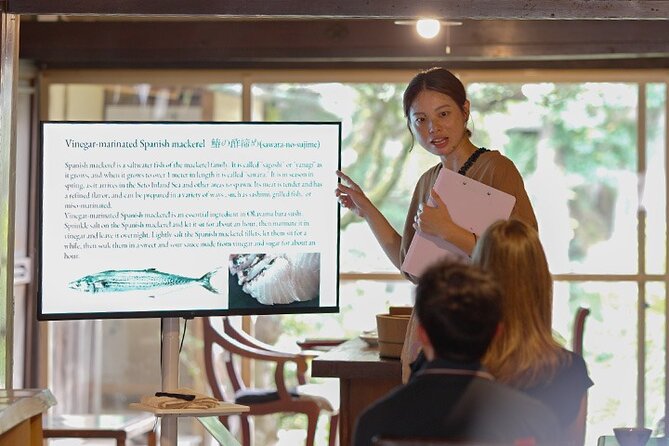
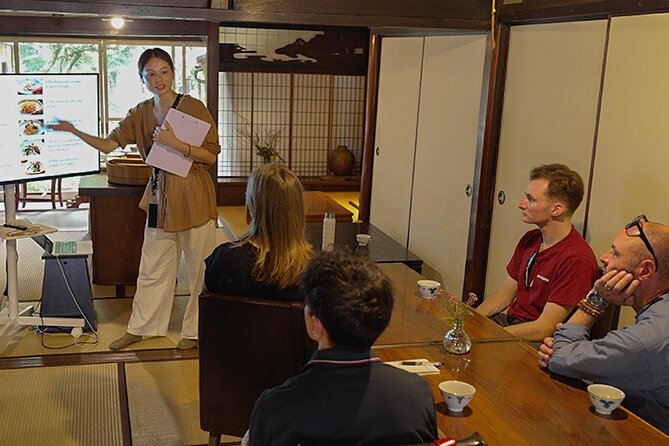
The cooking takes place in a renovated historic house in the Japanese countryside. That setting is a meaningful part of the activity. You are not simply sitting in a commercial kitchen designed for a constant stream of classes. You are using a place connected to ordinary local life, with a setting that helps the food make sense.
The session starts with the story of bara sushi. This introduction explains a dish that may be unfamiliar even if you already know sushi. The food history gives purpose to the ingredients you will later see on the table, and it helps you understand why a large, colorful rice dish has a place in Okayama’s local cooking.
The atmosphere is described as friendly, with the cooks guiding you carefully through the kitchen. That matters because bara sushi can look complicated when all the ingredients are presented together. Once the ingredients are prepared and the process is explained, the task becomes much less intimidating.
The class is connected with Hisao Tsugita, who created the activity to help bring bara sushi to more local people and international visitors. You do not need to treat that as a polished performance. The appeal is that the class has a clear personal purpose: keep a local dish in use by teaching people how to make and enjoy it.
Preparing the fish, vegetables, and sushi rice
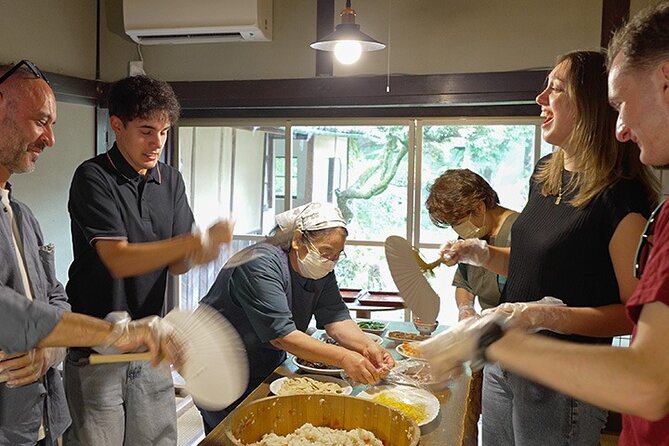
The ingredients are prepared for you before the hands-on part begins. This keeps the class focused on assembling and understanding bara sushi rather than turning the session into a long series of basic chopping tasks.
You will see more than 10 ingredients, including fish and regional vegetables. Some have been simmered, while others have been pickled in vinegar. Because the components are made in advance, you can pay attention to how each one contributes to the final dish.
Local home cooks lead you through the preparation. Their role is important. They are not just demonstrating a recipe from a printed card. They have made bara sushi for years, so you can ask questions about the ingredients and watch the practical way a home cook handles the food.
The class is suitable even if you have no cooking experience. That does not mean the session is only for beginners. You can still make choices about proportion and appearance, especially because the amount of each ingredient is left to your preference.
I would approach the assembly with curiosity rather than trying to make a perfect restaurant-style plate. The charm is in seeing how your choices change the dish. You may find that a little of several ingredients creates a better balance than piling on the one item you recognize.
The ingredients also give you a direct look at local food habits. Fish, vegetables, vinegar, and rice are not presented as abstract cultural symbols. They become a meal you build with your own hands, then eat while the preparation is still fresh in your mind.
Making a portion that suits your taste
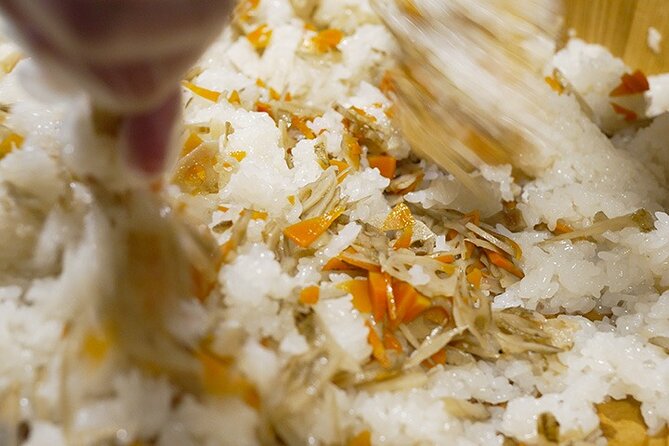
One of the best features is the freedom to choose what goes on your bara sushi and how much you serve. This is especially helpful if your group has different tastes. One person can favor fish, another can add more vegetables, and a cautious eater can start with smaller amounts of unfamiliar ingredients.
That flexibility also makes the class feel less like an exam. You are not graded on matching the cook’s exact arrangement. The local cooks provide the ingredients and guidance, then let you take part in the final decisions.
The visual side of bara sushi is part of the fun. More than 10 toppings can turn ordinary rice into a colorful meal, and your arrangement becomes a small record of the choices you made during the class.
You should expect the dish to be home-style rather than highly formal. The point is not to produce a flawless sushi display. It is to learn how a local family meal is assembled and why the ingredients work together.
If you are visiting with friends, this part creates an easy shared activity. Each person makes a slightly different portion, and the meal gives you something specific to discuss afterward. If you are a family, children can take part in the visual arrangement even if adults handle more of the food preparation.
The private format helps here. Only your own group participates, so you do not have to match the speed or preferences of strangers. That can make the cooking feel more relaxed, though the exact amount of personal attention will depend on your group size.


Lunch with miso soup
At the end, you eat the bara sushi you made, served with miso soup. This is more satisfying than preparing food and then moving on to another restaurant. You get to see the complete path from local story to prepared ingredients to your own lunch.
The meal also gives you a chance to judge the dish in context. You will have heard how the ingredients are treated, handled them during assembly, and then tasted the finished combination. That sequence makes the food easier to remember than a dish ordered without explanation.
Bara sushi’s broad mix of ingredients means your lunch may include flavors you do not usually associate with sushi. The simmered and pickled components give the rice more variety, and the ability to control your portion lets you keep the balance comfortable.
Miso soup provides a simple companion to the main dish. Lunch is included in the price, so you are not paying separately for the meal after the class. Be aware that the included food is specifically your bara sushi and miso soup. The information provided does not promise additional dishes or drinks.
The meal is also the point where the class becomes more than a cooking demonstration. You have not only watched a local recipe. You have taken part in making it, and you can connect the taste with the people and place that introduced it.
What the price delivers at $42.27
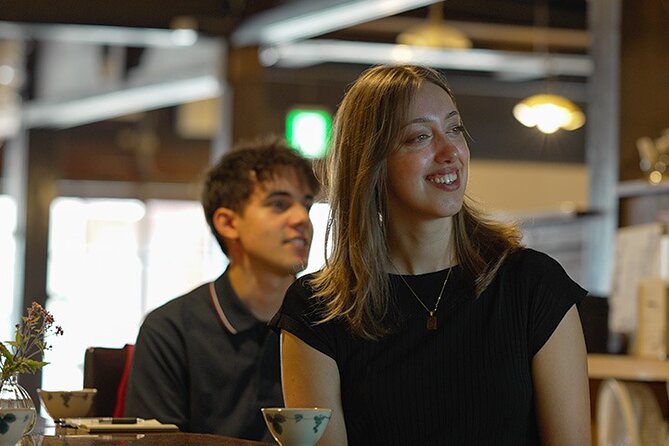
At $42.27 per person, this is best judged as a combined cooking class, cultural talk, and lunch. You are paying for about three and a half hours of instruction and participation, prepared ingredients, guidance from local cooks, and the meal at the end.
That is a fair value if you want a substantial activity rather than a quick tasting. The class fills a large part of the morning and gives you something to do with your hands, not just something to photograph.
The value is strongest for people who care about local food traditions. If you only want a cheap meal, you can likely eat elsewhere for less. If you want to understand a dish and learn how to assemble it, the extra cost pays for time, context, and personal help.
The private format adds value for a small group. You can make choices without sharing the lesson with unrelated participants, and your group can move through the activity together. The listing does not state the maximum group size, so do not assume that private means one-on-one instruction.
Three reviews give the experience a perfect five-star rating, with praise focused on the friendly atmosphere, the food, and the local setting. Those comments match the practical strengths of the activity, but you should still book it for the format itself: a hands-on local lunch, not a luxury food tour.
Who should book this experience
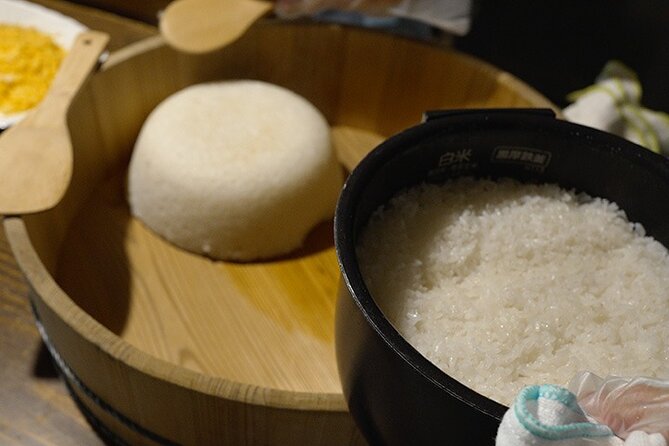
I would recommend this to you if you want a quieter, more personal activity in Okayama Prefecture and have already seen the main sights. It suits food-focused visitors, couples, families, small friend groups, and people who prefer meeting local cooks to watching a large demonstration.
It is also a good choice if you have little or no Japanese cooking experience. The ingredients are prepared ahead of time, and the cooks provide careful guidance. You can take part without having to master complicated knife work.
The class may appeal to repeat visitors to Japan who want something different from sushi-making with raw fish or a standard tea ceremony. Bara sushi offers a regional angle, and its connection with Okayama makes it more specific to this part of Japan.
I would think twice if your schedule is tight or your main goal is a fast lunch. The session lasts about three hours and 30 minutes, and the transport details need attention. It is also less suitable if you dislike fish, vinegar-based flavors, or making food with ingredients you may not recognize.
The countryside setting is a plus for anyone who wants to step away from the usual city route. It is not a drawback in itself, but it means you should treat the meeting point as a real destination rather than something directly beside a major station.
Booking, timing, and cancellation advice
You receive confirmation at the time of booking, and the mobile ticket makes it easy to keep the reservation on your phone. The activity is booked, on average, nine days ahead, so reserve early if your dates are fixed.
Free cancellation is available when you cancel at least 24 hours before the 10:30 am start. If you cancel within 24 hours, the payment is not refunded, and changes made during that period are not accepted. The cut-off follows local time in Japan.
I would book this after checking three things: the exact meeting point, your route from the railway station, and the amount of time you have after lunch. Those details will determine whether the class feels relaxed or squeezed into your day.
Should you book the Okayama bara sushi class?
Book it if you want a genuine food activity with local people, a meal you help create, and a clear connection to Okayama’s home cooking. The renovated historic house, the local cooks, and the freedom to choose your toppings give the session more character than a basic recipe lesson.
Skip it if you need a quick stop, prefer a formal restaurant meal, or do not want to spend time sorting out transport to the meeting point. For everyone else, the $42.27 price is reasonable for a private, three-and-a-half-hour experience that combines food, local context, and lunch.
The best reason to choose it is simple: you leave with more than a full stomach. You understand one regional dish, know how its many ingredients fit together, and have a meal tied to real local cooking rather than a generic tourist menu.
FAQ
Where does the bara sushi activity take place?
The listed meeting point is Kurashikiekikitahirobajikayoshaseiriba Parking Lot, 13-2 Kotobuchicho, Kurashiki, Okayama 710-0813, Japan.
What time does the experience start?
The activity starts at 10:30 am.
How long does the activity last?
The experience lasts approximately three hours and 30 minutes.
How do I reach the meeting point by public transportation?
JR Soja Station is described as about 30 minutes from Okayama Station and 11 minutes from Kurashiki Station. From JR Soja Station, the meeting point is about a 25-minute walk or a five-minute taxi ride.
Is transportation included?
No. Private transportation is not included.
Is lunch included?
Yes. You eat the bara sushi you make, served with miso soup.
Do I need cooking experience?
No. The local cooks prepare the ingredients and guide you, so you can take part even without cooking experience.
Can I cancel for a full refund?
Yes, if you cancel at least 24 hours before the experience starts. Cancellations or changes made less than 24 hours before the start are not refunded or accepted.
More Okayama & Kurashiki Tours in Kurashiki
More tours in Kurashiki we've reviewed

Okayama & Kurashiki Tours, compared.
 ★ 3.9Okayama Castle Admission TicketFrom $21 day
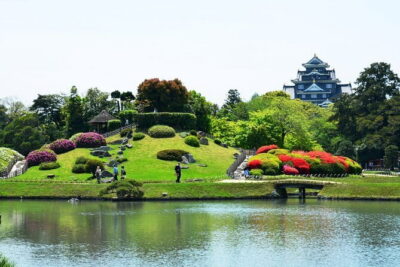 ★ 5.0[From Okayama] Okayama & Kurashiki Full Day TourFrom $163
 ★ 4.5Kurashiki Private Romantic Night in the Observatory ReclinersFrom $29
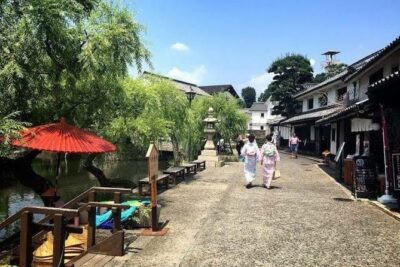 ★ 5.0Kurashiki Half-Day Private Tour with Government-Licensed GuideFrom $107
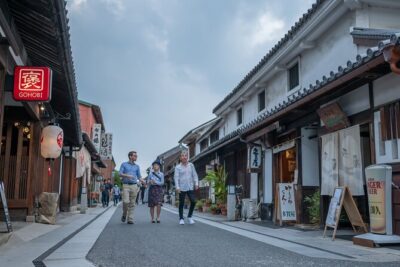 ★ 5.0Half-Day Shared Tour at Kurashiki with Local GuideFrom $86
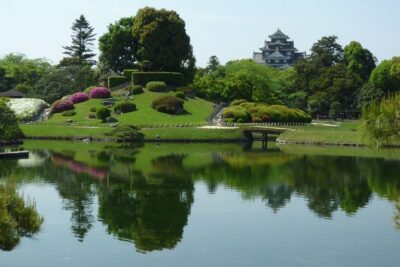 ★ 5.0Okayama Half-Day Private Trip with Government-Licensed GuideFrom $107
