
Reviewed · OKAYAMA & KURASHIKI TOURS
Okayama Half-Day Private Trip with Government-Licensed Guide
Okayama’s best feature is choice. You can spend four hours with a licensed local guide at black Okayama Castle and Korakuen Garden, or trade one of them for Handayama’s 1,000 cherry trees, Nishigawa Canal Park, Kibiji Museum of Literature, or nearby Kurashiki. I like the private format and the chance to shape the route around your interests. Guides such as Hisao Kaji, Ray, and Rai have earned praise for clear English, prompt communication, and thoughtful itinerary planning.
I also like that the guide can bring local context to places that are easy to see but harder to understand on your own. The drawback is cost control: at $107.50 per person, admission, local transport, lunch, and other personal expenses come separately, and the short tour cannot sensibly cover every listed stop.
In This Review
- Key points before you book
- Why a private four-hour route works well in Okayama
- Okayama Castle: a short look at the Crow Castle
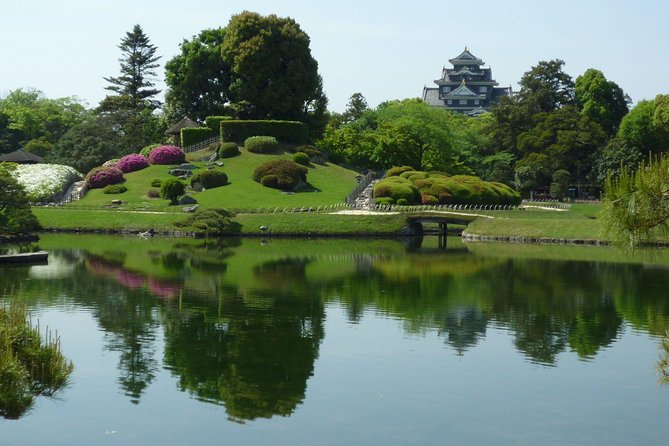
- Korakuen Garden: Okayama’s main attraction
- Handayama Botanical Garden and its 1,000 cherry trees
- Nishigawa Canal Park for an easy city walk
- Kibiji Museum of Literature and the rural Kibi Plain
- Kurashiki: a useful side trip from Okayama
- What the private guide adds
- Price, walking, and the real value
- Who should choose this Okayama tour
- Should you book it?
- FAQ
- How long does the Okayama private tour last?
- How many sites can I choose?
- Which places can be included?
- Is Okayama Castle admission included?
- Is transportation included?
- Can I visit Kurashiki during the tour?
- Is lunch included?
- Is the tour private?
- What is the cancellation policy?
Key points before you book
- Pick your own combination: Build the outing around two or three sites, with options ranging from castles and gardens to canals, literature, and Kurashiki.
- The guide meets you on foot: There is no private vehicle included, so you need to reach the meeting point and pay your own transport costs.
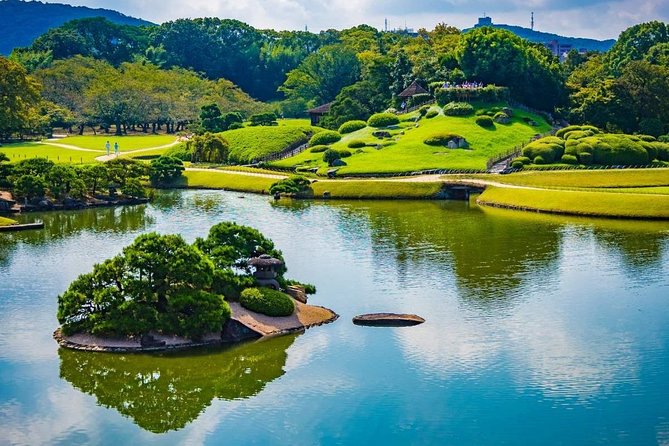
- Korakuen is the star garden: It is counted among Japan’s three finest gardens and changes character with the seasons.
- Handayama is the spring specialist: The hillside botanical garden is known for about 1,000 cherry trees and city views.
- Kurashiki adds a second town: The historic quarter is about a 20-minute train ride from Okayama, but that train fare is extra.
- Allow time for walking: The tour lasts about four hours, and the route works best when you select a few priorities rather than trying to collect every stop.
Why a private four-hour route works well in Okayama
Okayama is compact enough for a focused introduction, but its best sights do not all offer the same kind of experience. A castle visit gives you architecture and military history. Korakuen gives you carefully shaped gardens and seasonal color. Handayama offers a broader view of the city, while Kurashiki changes the mood with traditional houses and canals.
A private tour lets you decide which side of Okayama interests you most. You can ask for gardens, Japanese history, literary culture, cherry blossoms, or a short side trip to Kurashiki. The guide is not leading a fixed bus route, so your questions can shape the pace.
The format also suits visitors who want help making decisions on the ground. One guide promptly offered itinerary advice before the tour, then reconfirmed the meeting after arrival in Okayama. That kind of communication matters when you have only half a day and need to avoid wasting time.
The four-hour length is useful, but it calls for restraint. Six sites are listed as possible choices, yet the included description refers to two or three selected sites, while the overview suggests three to four. Confirm the final number with the provider before booking. Do not expect to see Okayama Castle, Korakuen, Handayama, Nishigawa, Kibiji, and Kurashiki in one relaxed outing.
A few more Okayama tours and experiences worth a look
Okayama Castle: a short look at the Crow Castle
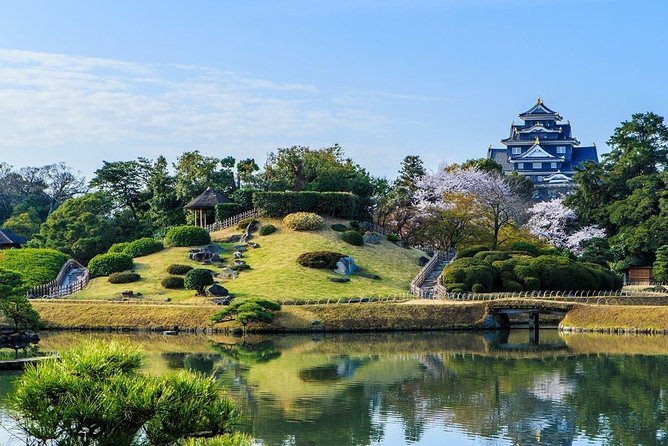
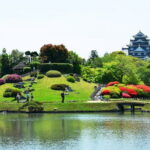
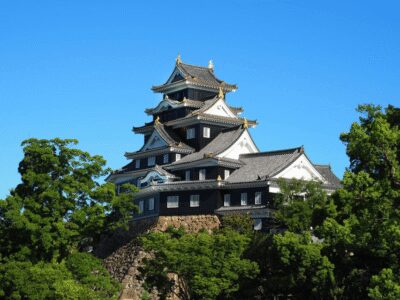
Okayama Castle is the obvious starting point for a history-focused route. Its black exterior gives it the nickname Crow Castle, and its original construction dates to 1597, during the Azuchi-Momoyama period. That dark finish gives it a different character from the pale or stone-faced castles you may have seen elsewhere in Japan.
The listed visit is about 30 minutes, with admission extra. That is enough for a concise introduction and exterior appreciation, but not a long museum visit. If you want time inside the castle as well as a detailed explanation of its construction and past, tell your guide in advance so the schedule can be adjusted.
I would pair the castle with Korakuen whenever possible. The two sights create a natural contrast: one is a fortified structure with a bold silhouette, the other is a garden designed for changing views and calm movement. A guide can help connect the two rather than treating them as unrelated photo stops.
The castle works best for you if Japanese architecture and historical events are high on your list. It is less ideal as a stand-alone choice for someone who wants a slow, four-hour garden walk. Admission is not covered, so add that cost to the tour price.
Korakuen Garden: Okayama’s main attraction
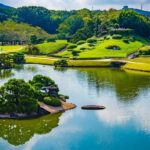
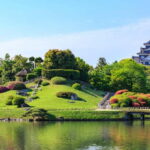
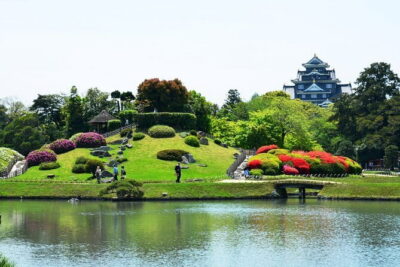
Korakuen is the strongest all-season choice on the tour. It is ranked with Kanazawa’s Kenrokuen and Mito’s Kairakuen as one of Japan’s three best gardens. That reputation is not just a marketing detail. The garden is the central reason many people include Okayama in their route.
The listed stop is only 15 minutes, which should be treated as a brief visit rather than a full garden exploration. A short look can give you the main impression, but the garden deserves more time if you care about seasonal changes, paths, water, plantings, and carefully framed views.
This is where the guide’s role becomes useful. A good explanation can turn a pleasant walk into a lesson in Japanese garden design and local culture. One guide, Rai, was praised for answering questions with enthusiasm and explaining both the garden and Okayama Castle in a clear, enjoyable way. Another guide, Ray, was appreciated for discussing history, culture, and even politics during a longer outing.
If your schedule permits, discuss lunch near the garden with the guide. A five-hour version of the route included time for Okayama Castle, Korakuen, and Kurashiki, with lunch treated as part of the day’s planning. Lunch is not included, so you need to decide in advance whether to eat during the tour or afterward.
Handayama Botanical Garden and its 1,000 cherry trees
Handayama Botanical Garden is the most seasonal choice. The hillside garden is known for about 1,000 cherry trees and views across Okayama. If you are visiting during cherry blossom season, this may be the most distinctive option on the list.
The planned stop lasts about one hour, making it a better match for a dedicated garden visit than the brief Korakuen time shown in the schedule. The hillside setting also changes the physical demands of the outing. You should expect walking, and anyone who prefers a flatter route should discuss the choice with the guide before finalizing the plan.
Handayama is especially good for repeat visitors to Japan who have already seen major castles and famous central gardens. It gives you a more local-feeling place to focus on flowers, city views, and the changing seasons. The garden’s appeal depends strongly on timing, so it may be less compelling outside the blossom period if you have only four hours.
Admission is extra. Since the tour price does not cover entry to most sights, ask the guide or provider for the current fee when planning your budget.
Nishigawa Canal Park for an easy city walk
Nishigawa Canal Park is a quieter option. It is not presented as Okayama’s main attraction, but it offers a pleasant route for a stroll or jog through the city. The canal is lined with flowers and cherry trees, giving it particular appeal in spring.
The suggested visit lasts about one hour. That makes sense if you want a slower walk and conversation with your guide rather than a rapid series of monuments. It can also be a good choice if you have already visited the major sights and want to see how Okayama fits into everyday city life.
The tradeoff is that Nishigawa may feel modest beside Korakuen or Kurashiki. You are choosing atmosphere and an easy urban walk over a headline sight. Tell the guide if you want photography time, seasonal flowers, or a less crowded pace, since the private format makes that sort of adjustment possible.
As with the other paid attractions, personal expenses are not included. The canal park itself may not require an entrance ticket, but the tour’s transportation and food exclusions still apply.
Other guided tours in Okayama
Kibiji Museum of Literature and the rural Kibi Plain
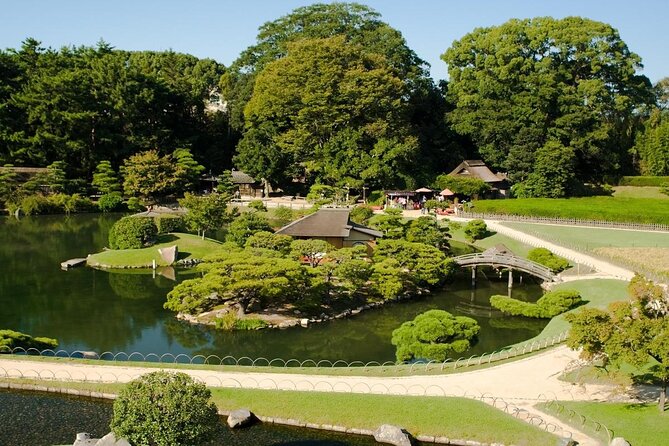
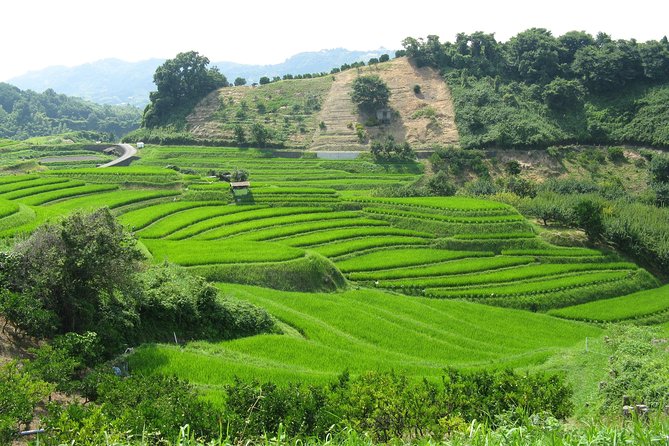
The Kibiji Museum of Literature offers a different angle on the area. The Kibi Plain outside central Okayama is described as a flat rural area with fields, shrines, temples, and small groups of farmhouses. It gives you a look beyond the central city and the better-known castle and garden.
The listed visit is about 15 minutes, so this is another brief stop. It makes the most sense for you if literature, local culture, and the countryside interest you more than a long monument visit. If you want a substantial museum experience, clarify how much time can actually be spent there within the four-hour limit.
The Kibi Plain may also require more attention to transport planning than the central Okayama sights. Private transportation is not included, and this is a walking tour with an on-foot pickup. Ask exactly how the guide intends to connect the chosen sites before you commit to a route that reaches beyond the center.
Kurashiki: a useful side trip from Okayama
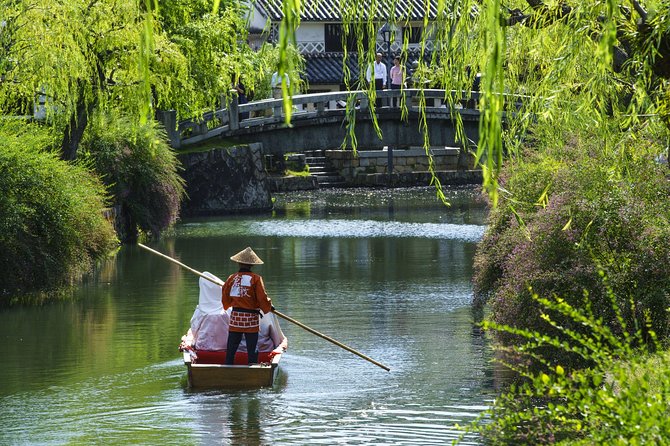
Kurashiki is the boldest alternative to an Okayama-only route. It is about a 20-minute train ride from Okayama and is the area’s most popular day trip. The historic quarter is known for traditional Japanese houses, making it a strong choice if old-town streets appeal to you more than a second Okayama garden.
The listed visit lasts about one hour, and admission is free. That helps offset the extra train fare, which is not included. One practical tip from the tour experience is to carry an IC card such as an ICOCA or another compatible transit card. A prepaid card makes local train and city transport simpler, though the tour price does not provide one.
Kurashiki is not a tiny add-on that you can squeeze in without thought. Travel time uses part of your four-hour window, and you need to coordinate the return if your day includes a train departure or another reservation. Still, the combination of Okayama Castle, Korakuen, and Kurashiki can give you a satisfying overview of both the city and its most attractive nearby historic quarter.
Choose Kurashiki if you want traditional streets and a change of setting. Skip it if your priority is spending unhurried time in Korakuen or Handayama.
What the private guide adds
The guide is a government-licensed local professional and the service offers multilingual support, with English-speaking guidance specifically included. The most useful benefit is not simply translation. It is the ability to ask why a place matters, how to fit several sights together, and which stop deserves your limited time.
The strongest guide experiences described in the supplied material share three traits: quick communication, punctuality, and flexible planning. Hisao Kaji was singled out for accommodating requests and explaining Okayama in excellent English. Ray was praised for immediate itinerary help and an informative day shaped around special interests. Rai was described as warm, enthusiastic, and able to answer questions about the garden and castle.
Guide availability can vary, so you should not assume a particular person will lead your tour unless the provider confirms it. You can, however, state your interests clearly at booking. Mention if you care most about gardens, castle architecture, cherry blossoms, literature, local politics, or Kurashiki’s historic quarter.
Because the tour is private, only your own group participates. That gives you more control over walking speed and questions than a large shared outing. It does not mean every cost is bundled into the price.
Price, walking, and the real value
At $107.50 per person, this is not the cheapest way to see Okayama. The price becomes easier to justify for a small group that values a private licensed guide and wants help building a route. Group discounts are offered, so larger parties should check the final per-person amount.
You still pay for transportation, admissions, lunch, and personal expenses. The tour does not include private transportation, and pickup means meeting the guide on foot within the designated Okayama area. These details can change the total cost, especially if you select Kurashiki or another site outside the central walking zone.
The tour suits most people who can manage a walking outing, and service animals are allowed. Near-public-transport access is available. Since walking is central to the experience, wear comfortable shoes and do not plan a demanding second activity immediately afterward unless your selected route is very short.
Free cancellation is available up to 24 hours before the start time for a full refund. Changes or cancellations inside that 24-hour window are not accepted for a refund.
Who should choose this Okayama tour
I would recommend it to first-time visitors who want a clear introduction without joining a large group. It is also a good match for couples, families, and small groups with different interests, since the route can be shaped around shared priorities.
Garden lovers should choose Korakuen or Handayama. History fans should combine Okayama Castle with Korakuen. People who prefer traditional streets should consider Kurashiki, while those who want a quieter city walk may prefer Nishigawa Canal Park.
I would be cautious if you want a fully all-inclusive package or dislike paying for each admission and train ride separately. I would also avoid trying to force every listed site into four hours. The tour is at its best when you choose a few places and let the guide explain them properly.
Should you book it?
Book this tour if you want a private, flexible introduction to Okayama and value a licensed guide’s local explanations. The best plan for most people is Okayama Castle plus Korakuen, with Kurashiki substituted in if traditional streets matter more than extra garden time.
Choose Handayama during cherry blossom season, and choose Nishigawa or Kibiji only when their particular focus fits your interests. Before paying, confirm the exact number of sites, the meeting point, guide language, estimated transport costs, and admission fees. With those details settled, the tour offers a practical way to see Okayama without handing your limited time to a rigid group schedule.
FAQ
How long does the Okayama private tour last?
The experience lasts approximately four hours.
How many sites can I choose?
The included details describe a customizable tour of two or three sites, while the overview refers to three to four sites. Confirm the exact number with the provider before booking.
Which places can be included?
Possible stops are Okayama Castle, Korakuen Garden, Kibiji Museum of Literature, Handayama Botanical Garden, Nishigawa Canal Park, and Kurashiki.
Is Okayama Castle admission included?
No. Entrance fees are not included, and guide entry fees are covered only for sights listed in the What to Expect options.
Is transportation included?
No. Transportation fees and private transportation are excluded. The guide meets you on foot within the designated Okayama area.
Can I visit Kurashiki during the tour?
Yes, Kurashiki is one of the possible stops. It is about a 20-minute train ride from Okayama, and the train fare is not included.
Is lunch included?
No. Lunch is a personal expense. You should discuss lunch timing and location with the guide when planning the route.
Is the tour private?
Yes. Only your group participates, and multiple tour groups cannot be combined.
What is the cancellation policy?
You can cancel at least 24 hours before the start time for a full refund. Cancellations or changes made less than 24 hours before the start time are not accepted for a refund.
More Private Tours in Okayama
More Guided Tours in Okayama
More Okayama & Kurashiki Tours in Okayama
More tours in Okayama we've reviewed
Okayama & Kurashiki Tours, compared.
 ★ 3.9Okayama Castle Admission TicketFrom $21 day
 ★ 5.0[From Okayama] Okayama & Kurashiki Full Day TourFrom $163
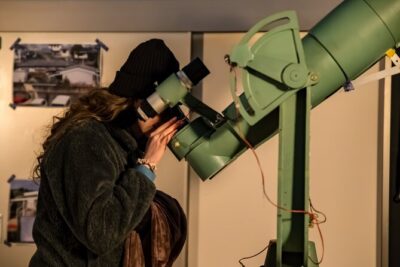 ★ 4.5Kurashiki Private Romantic Night in the Observatory ReclinersFrom $29
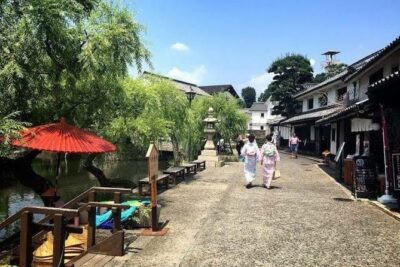 ★ 5.0Kurashiki Half-Day Private Tour with Government-Licensed GuideFrom $107
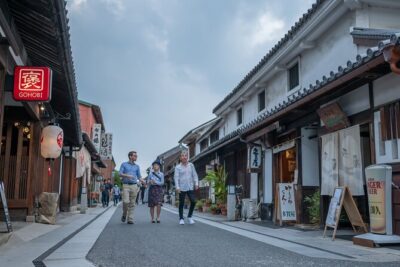 ★ 5.0Half-Day Shared Tour at Kurashiki with Local GuideFrom $86
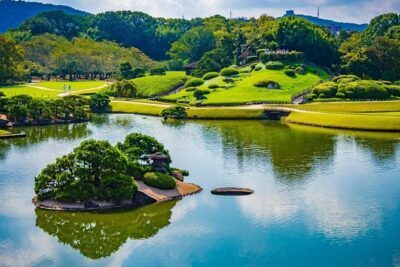 ★ 4.5Okayama Full-Day Private Trip with Government-Licensed GuideFrom $153
