
Reviewed · MIYAJIMA TOURS
Hiroshima and Miyajima 1 Day Private Tour from Kyoto or Osaka
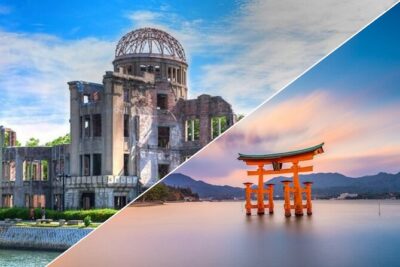
Hiroshima and Miyajima make an unusually powerful pairing: one is a place of quiet remembrance, the other a beautiful island of shrines, sea views, and free-roaming deer. This private 11-to-12-hour trip lets you cover both without changing hotels.
I like the smooth long-distance connection by bullet train and the fact that you have a guide beside you for every train, bus, and ferry. I also like the choice between public transport and a private car in Hiroshima. The tradeoff is clear: from Kyoto, you can spend about five hours moving between trains, buses, and ferries, so this is a full day with limited spare time.
In This Review
- Key points to know before booking
- Two very different sides of western Japan
- The bullet train makes Hiroshima possible from Kyoto
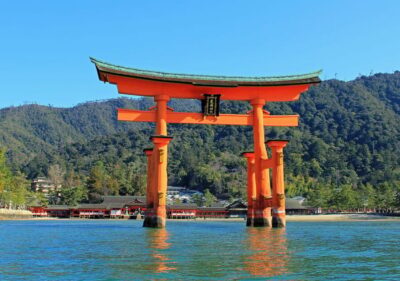
- Miyajima and the view that changes with the tide
- Itsukushima Shrine deserves more than a quick photograph
- Hiroshima Peace Memorial Park changes the tone
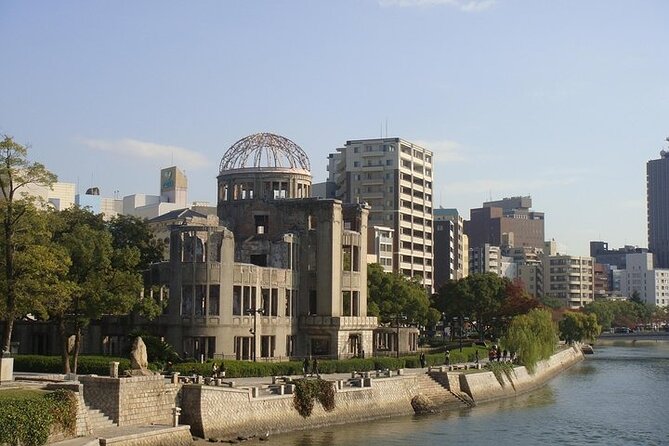
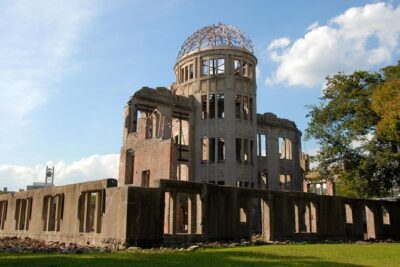
- The Atomic Bomb Dome is a direct, powerful reminder
- One hour at the Peace Memorial Museum
- Why a private guide matters on this route
- Public transport or private car in Hiroshima
- Is $543.89 per person good value?
- Who should book this Hiroshima day trip?
- Should you book it?
- FAQ
- How long is the tour?
- Does the tour depart from Kyoto or Osaka?
- Is pickup offered?
- Is the tour private?
- Is an English-speaking guide included?
- Are bullet train tickets included?
- Is the ferry to Miyajima included?
- Are admission tickets included?
- Are meals included?
- Can the itinerary be customized?
Key points to know before booking
- Bullet train from Kyoto or Shin-Osaka: Your round-trip train ticket is included, making Hiroshima practical as a long day trip.
- Miyajima and Hiroshima in one day: See Itsukushima Shrine first, then visit the Peace Memorial Park area and museum.
- A genuinely private experience: Only your group takes part, with an English-speaking guide assigned to you.
- Public transport or private car: The Hiroshima portion can use local transport or a private car, depending on the plan you choose.
- Strong guide support: Guides including Yumi, Taka, Sachiko, Kaoru, Yuko, Sachi, Hiromi, and Yosh have been praised for clear explanations, careful navigation, and personal attention.
- A demanding but valuable schedule: You get two major Japanese sights in one day, but you should expect an early start, substantial travel time, and a serious museum visit.
Two very different sides of western Japan
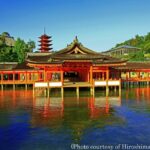
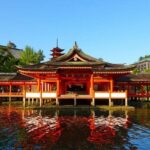
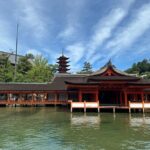
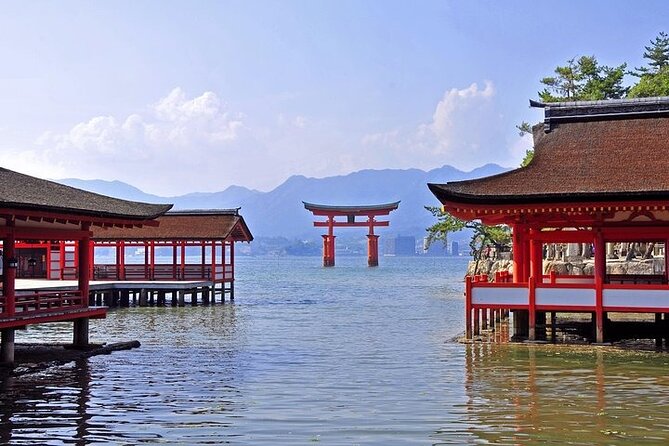
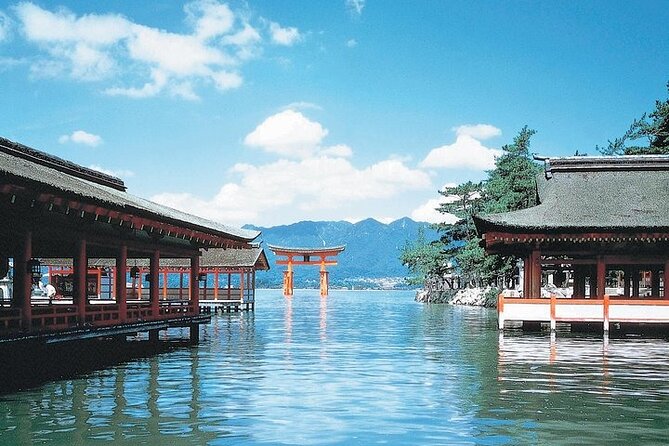
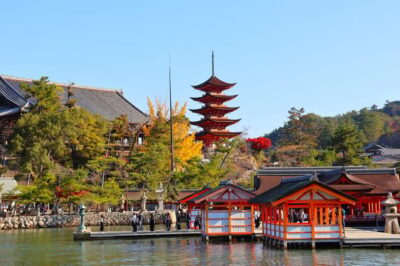
This tour works because Miyajima and Hiroshima affect you in completely different ways. Miyajima offers a graceful introduction to Shinto worship, with Itsukushima Shrine built over the water and the famous torii gate appearing to float at high tide.
Hiroshima asks for a slower, more thoughtful mood. The Peace Memorial Park, Atomic Bomb Dome, and Peace Memorial Museum explain the human cost of the atomic bombing on August 6, 1945, while also showing how the city rebuilt itself and turned its center into a place devoted to peace.
You are not simply ticking off two nearby attractions. You are moving from one of Japan’s most photographed settings to one of its most solemn historical sites. That contrast gives the day its force, though it also means you need enough energy for a long sequence of transport connections.
A few more Osaka tours and experiences worth a look
The bullet train makes Hiroshima possible from Kyoto
The tour includes a round-trip bullet train ticket between Kyoto or Shin-Osaka and Hiroshima. This is the key practical advantage. Hiroshima is too far for a casual local outing from Kyoto, but the fast train turns it into a realistic day trip if you are short on time.
The train ride is also part of the appeal. One guide described the Shinkansen journey from Kyoto as one of the enjoyable parts of the day, and I can see why. It gives you a comfortable way to cover the long distance before the sightseeing begins.
Still, do not mistake the speed of the bullet train for a short day. Once you add the transfer to Miyajima, the ferry, Hiroshima city transport, and the return journey, the schedule becomes substantial. One account calculated roughly five hours of trains and buses in total from Kyoto. The entire outing can run 11 to 12 hours, and one especially long day reached about 13 hours.
That makes the tour best for someone who values seeing both places now rather than saving Hiroshima for a later overnight stay.
Miyajima and the view that changes with the tide
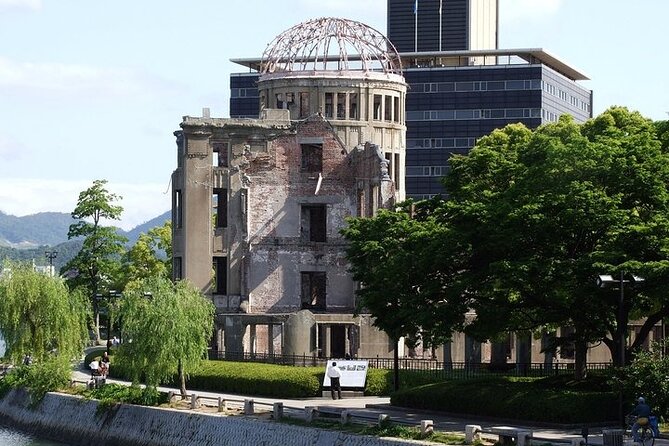
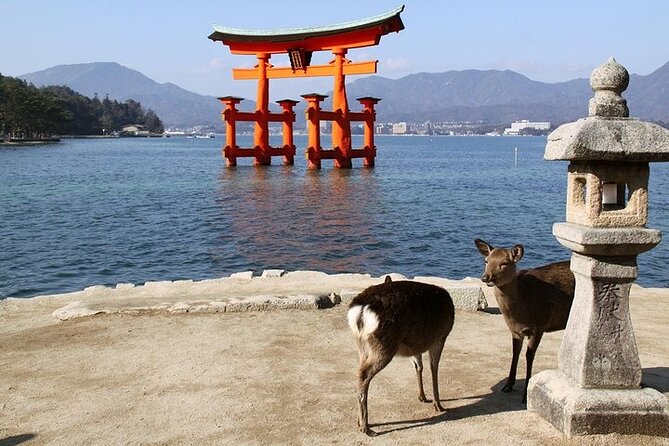
Miyajima is the common name for Itsukushima Island, and it is often called shrine island because of its close connection with Itsukushima Shrine. The island lies less than an hour from Hiroshima, including the connection by ferry.
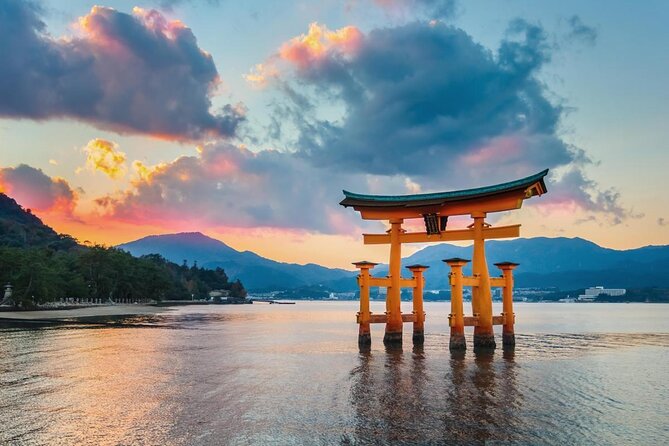
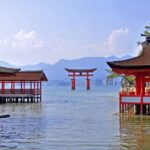
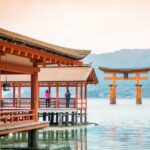
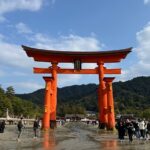
The famous sight is the great torii gate in the water. At high tide, it appears to float offshore, creating one of Japan’s classic views. At lower tide, the relationship between the gate and the shore changes, so the exact appearance depends on conditions that day.
The tour includes the ferry from Hiroshima to Miyajima and admission to Itsukushima Shrine. You have about one hour listed for the shrine, which gives you time to see the main structures and hear the religious and architectural background from your guide.
The shrine’s buildings are also built over the water. That design is what makes the visit feel different from a standard temple or shrine stop. You are not only looking at a gate in the sea. You are walking through a sacred complex shaped by the island, the tides, and the water around it.
Miyajima is also simply a pleasant place to walk. The supplied experience details do not promise a particular amount of free time, meal, or extra island attraction, so you should not assume there will be time for every corner of the island. One guide, Kaoru, helped a group find a traditional breakfast spot, but meals are not included and food stops depend on the day’s timing.
A practical point: Miyajima may be the more visually relaxed half of the tour, but the schedule can make it feel brief. If you want hiking, extensive shopping, or a long meal on the island, an overnight stay would give you a better pace.
Itsukushima Shrine deserves more than a quick photograph
Itsukushima Shrine is the heart of Miyajima. Its fame comes from the striking setting, but the visit is not only about taking a picture of the torii gate.
Your guide can explain why the island is formally called Itsukushima and why Miyajima became the name used by most people. The hour at the shrine is also a chance to notice how the buildings relate to the water, rather than viewing the gate as an isolated attraction.
Admission is included, which keeps the visit simple. You do not need to arrange a separate ticket for the shrine. The timing may be affected by transport, crowd levels, and the needs of your private group, so ask your guide early if there is one particular view or building you most want to see.
Hiroshima Peace Memorial Park changes the tone
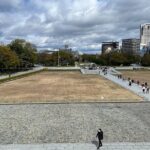
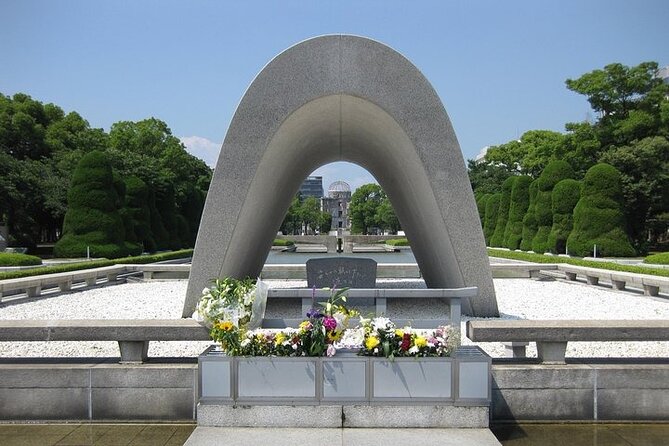
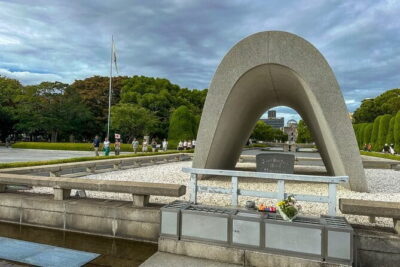
After Miyajima, the tour turns toward Hiroshima’s Peace Memorial Park. The park covers more than 120,000 square meters in the city center and was created as a place for remembrance and prayers for world peace.
This is a large open area, not a single monument. The setting gives you room to process what happened and to understand how the city chose to mark the bombing. Hiroshima was heavily destroyed on August 6, 1945, when the first atomic bomb used in war was dropped at 8:15 in the morning.
The park is also valuable because it places the museum and Atomic Bomb Dome in a wider civic setting. You can move from memorials to the river, from open paths to preserved structures, and from broad public statements about peace to individual accounts inside the museum.
The exact order can change, especially because the tour is customizable. Your guide may take you through the park before the museum, or adjust the route to suit your pace. Since this is a private tour, you can request changes in advance and can also ask to alter the schedule on the day. Keep in mind that skipping a listed stop does not bring a refund.
A few more Osaka tours and experiences worth a look
The Atomic Bomb Dome is a direct, powerful reminder
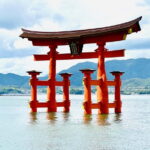
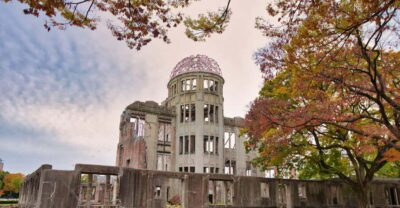
The Atomic Bomb Dome is one of Hiroshima’s clearest symbols. It was located close to the bomb’s center of destruction, yet parts of the structure remained standing. That survival gives the building a stark physical presence that photographs cannot fully convey.
You do not need a long explanation to understand why the dome matters, but the guide’s context can help connect it to the park and the wider story of the city. It is a place for quiet observation rather than a quick stop for a casual snapshot.
The dome is included in the Peace Memorial Park portion of the route. The supplied details do not list a separate admission fee for it. Allow yourself a little emotional space here. After the bright scenery of Miyajima, the shift can feel abrupt, and that is part of what makes the day memorable.
One hour at the Peace Memorial Museum
The Hiroshima Peace Memorial Museum is the largest of the city’s atomic bomb sites. It opened in 1955 and was designed by architect Tange Kenzo. The museum presents the bombing through objects, testimony, photographs, and explanations of what happened to Hiroshima’s residents.
The scheduled visit is about one hour, and admission is included. That is enough to gain a strong understanding of the event, but it may not be enough if you want to read every display carefully. The material is emotionally difficult. I would not plan this as a light afternoon attraction, especially if you are visiting with children or anyone who may need more time between exhibits.
Several guides have been praised for offering the right amount of background before and during the museum visit. Yuko was described as informative and warm, while Sachi was praised for answering questions and taking care of the group. A guide can help you understand the setting without talking over your own reaction to the exhibits.
One useful comparison is with New York’s 9/11 Memorial. The subjects are different, but both sites connect a major public event with personal loss. The museum is not just a lesson in military history. It shows how ordinary lives were shattered and why Hiroshima continues to call for peace.
Why a private guide matters on this route
The private format is more than a nicer way to sightsee. Hiroshima and Miyajima require several transport changes, and the day includes a bullet train, local transport, ferry, and possibly a bus. A guide can help you stay on the right platform, board the right service, and keep the day moving.
Taka was praised for handling the subway, train, ferry, and bus connections. Kaoru was especially attentive to keeping a family together through the transport changes, arriving early at the hotel lobby, and writing down directions for the next day after the tour ended.
That kind of help is valuable if you are not comfortable navigating Japan’s rail system. It also reduces the mental work of calculating every connection while you are trying to pay attention to the sights.
The guide style will vary. Sachiko, Hiromi, Yuko, Sachi, and Yosh were all singled out for friendly, careful service, while Yumi was praised for keeping a long day on track. You should still share your interests before departure. Ask for more history, more photography time, a slower pace, or help with food choices if those things matter to you.
The private setup also means you are not tied to a large group’s pace. You can request a change, skip a stop, or add a new place if time allows. Added tickets and transport costs are paid separately, and changing the plan does not reduce the price.
Public transport or private car in Hiroshima
You can choose a Public Transport Plan or a Private Car Plan for the Hiroshima portion. The public option includes local transport in Hiroshima, while the private car option includes a car within the city.
Public transport may suit you if you want a closer look at how the city works and do not mind moving through stations and bus stops. It also keeps the day connected to the same transport style used for the journey from Kyoto or Osaka.
A private car may be more comfortable after the long bullet train ride, especially if you have mobility concerns or simply want fewer transfers. The supplied details do not specify the vehicle type, seating capacity, or exact pickup arrangements, so confirm those points before booking if they are important to you.
Pickup is offered, and the guide meets you from Kyoto or Osaka. Arrive at the agreed meeting point on time. With a schedule this tight, a late start can affect the island, museum, or return train.
Is $543.89 per person good value?
At $543.89 per person, this is not a budget day trip. The price makes more sense when you separate the included elements: a round-trip bullet train ticket, ferry fare, local Hiroshima transport or private car depending on your plan, admission to Itsukushima Shrine and the Peace Memorial Museum, and a private English-speaking guide.
For a couple or family that wants door-to-door guidance through a complicated day, the price can be reasonable. You are paying for time saved, transport coordination, and flexibility, not just entry tickets.
It is less attractive if you are happy planning trains yourself, traveling on a tight budget, or willing to stay overnight in Hiroshima. The four to five hours of movement from Kyoto can feel expensive when compared with spending a night in the city and spreading the sightseeing over two days.
Group discounts are offered, but the exact discount is not specified. Meals and gratuities are not included, so budget for those separately.
Who should book this Hiroshima day trip?
I would choose this tour if you have only one day available and Hiroshima is a priority. It suits first-time visitors who want help with Japan’s transport system, families who prefer a private pace, and couples who value a guide’s context at the memorial sites.
It is also a good fit if you want both the visual pleasure of Miyajima and the serious history of Hiroshima in one outing. The private format is especially useful for families and small groups with different walking speeds or interests.
I would hesitate if you dislike early starts, long transport days, or tightly arranged schedules. I would also think twice if your main goal is a slow Miyajima visit, extensive museum time, or a deeper look at Hiroshima beyond the Peace Memorial Park. In that case, spend at least one night in Hiroshima.
The tour is non-refundable and cannot normally be changed after booking. If bad weather cancels it, you are offered a different date or a full refund. The same applies if the minimum number needed to operate the experience is not met. Confirmation is sent within 48 hours, subject to availability.
Should you book it?
Book this tour if you want an efficient, private introduction to two major Japanese sights and accept that efficiency comes with a long day. The best parts are the Shinkansen journey, the carefully managed transport connections, the floating torii and shrine at Miyajima, and the thoughtful guidance at Hiroshima’s memorial sites.
Skip it in favor of an overnight stay if you want time to explore without watching the clock. But if your Japan schedule is tight, this is one of the more practical ways to reach Hiroshima from Kyoto or Osaka, and a strong guide can make the demanding route feel manageable.
FAQ
How long is the tour?
The experience lasts approximately 11 to 12 hours. Some days may run longer depending on transport and the chosen schedule.
Does the tour depart from Kyoto or Osaka?
Yes. The tour can begin from Kyoto or Osaka, with the included bullet train traveling between Kyoto or Shin-Osaka and Hiroshima.
Is pickup offered?
Yes, pickup is offered. You should arrive at the agreed meeting point on time.
Is the tour private?
Yes. Only your group participates in the private activity.
Is an English-speaking guide included?
Yes. A private English-speaking guide from Kyoto or Osaka is included.
Are bullet train tickets included?
Yes. Round-trip bullet train tickets between Kyoto or Shin-Osaka and Hiroshima are included.
Is the ferry to Miyajima included?
Yes. The round-trip ferry fee from Hiroshima to Miyajima is included.
Are admission tickets included?
Admission to Itsukushima Shrine and the Hiroshima Peace Memorial Museum is included.
Are meals included?
No. Meals are not included in the tour price.
Can the itinerary be customized?
Yes. You can request changes in advance, and the guide may also help adjust the schedule on the tour day. Added tickets and transport costs are paid separately, and skipping a stop does not result in a refund.
More Day Trips from Osaka & Kyoto in Osaka
More Hiroshima City Tours in Osaka
More Miyajima Tours in Osaka
More tours in Osaka we've reviewed
Miyajima Tours, compared.
 ★ 5.0Peaceful Hiroshima & Miyajima UNESCO 1 Day Bus TourFrom $129
 ★ 4.9Hiroshima: Hiroshima and Miyajima UNESCO Sites 1-Day TourFrom $1228 hours
 ★ 5.0Hiroshima / Miyajima Full-day Private Tour with Government Licensed GuideFrom $202
 ★ 4.7Osaka/Kyoto: Hiroshima Miyajima Bus Tour & Shinkansen TicketFrom $27712 hours
 ★ 4.7From Hiroshima: Hiroshima & Miyajima 1 Day Tour with LunchFrom $1168 hours
 ★ 5.0Hiroshima and Miyajima Day Trip with Itsukushima Shrine & FerryFrom $45
