
Reviewed · MIYAJIMA TOURS
Full Day Hiroshima and Miyajima Tour by Bullet Train from Osaka
The day’s strongest contrast comes quickly: Miyajima’s graceful Itsukushima Shrine and wandering deer give you a calm, beautiful morning, while Hiroshima’s Peace Memorial Park and museum bring the terrible cost of war into sharp focus. Add Japan’s famously punctual Shinkansen, and you cover two major sights without arranging the rail, ferry, and local transfers yourself.
I like the easy transport plan and the chance to hear Hiroshima explained by a local guide. Guides such as Mayumi, Yuko, Akiko, Nob, and Masako have been praised for personal stories, including family connections to atomic bomb survivors. The main drawback is time: this is a 13-hour-10-minute day, often closer to 14 hours in practice, and Miyajima, lunch, and Hiroshima can feel tightly packed.
In This Review
- Key points to know before booking
- Why this long day works
- The Shinkansen from Shin-Osaka
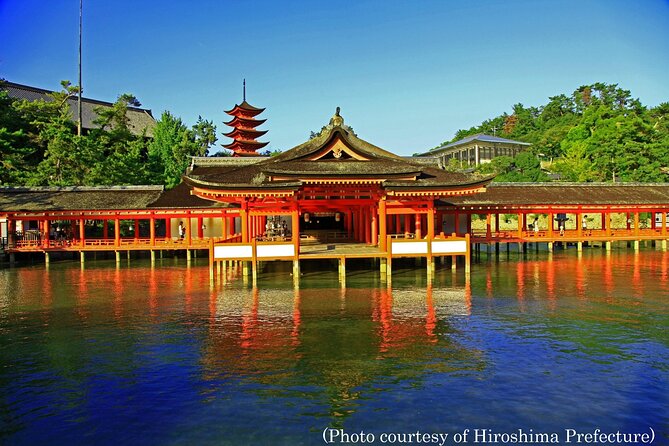
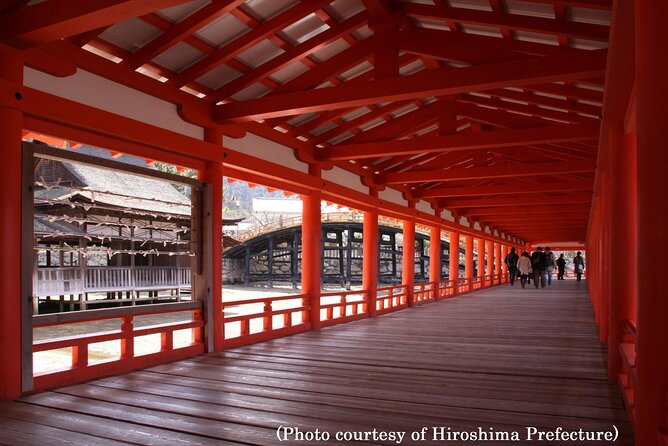
- Miyajima and the Itsukushima Shrine
- Lunch on Miyajima
- Returning to Hiroshima for the difficult history
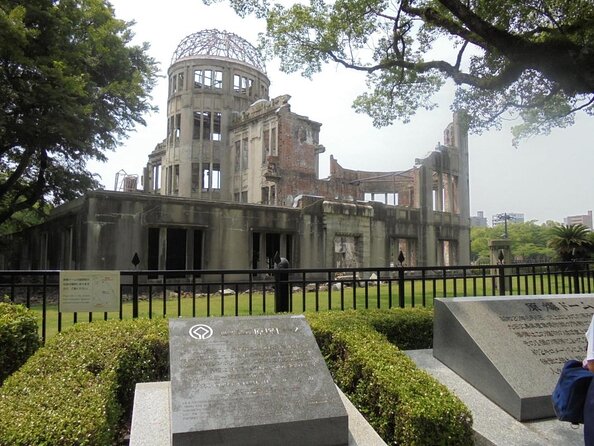
- The Atomic Bomb Dome
- What the guides add
- The pace, group size, and physical demands
- Is the $397.73 price fair?
- Who should book this day trip?
- Should you book it?
- FAQ
- How long does the tour last?
- Where does the tour start?
- Where does the tour end?
- Is lunch included?
- Are Shinkansen tickets included?
- Is an English-speaking guide included?
- How large can the group be?
- Can young children join?
- Can I cancel for a full refund?
Key points to know before booking
- Shinkansen travel from Shin-Osaka: Reserved seating takes the uncertainty out of the long rail journey, with standard and Green Car options available.
- Miyajima comes first: You see Itsukushima Shrine, the famous torii gate area, local shops, and have about an hour for lunch at your own cost.
- Hiroshima is the emotional center: The Peace Memorial Museum and Atomic Bomb Dome are handled with a serious, respectful tone.
- Local English-speaking guidance: The Hiroshima portion uses a National Government Licensed English Guide Interpreter, with guide quality varying by individual.
- A tightly timed group day: The maximum group size is 40, so meeting points, train times, and return instructions matter.
- Good for a first Hiroshima visit: It gives you the major sights in one day, but not much room for side trips, hiking, or a leisurely museum visit.
Why this long day works
Hiroshima and Miyajima are far enough from Osaka that independent planning takes some effort. You need to manage the trip to Shin-Osaka, the Shinkansen, the connection toward Miyajimaguchi, the boat to Miyajima, and the return journey. This tour links those pieces and places an escort with you for the Osaka station transfer.
That convenience has real value. You can focus on the places themselves instead of checking train platforms or wondering which ferry to take. The tradeoff is a fixed schedule. If you linger at the shrine, lunch becomes short. If the museum affects you deeply, you may wish for more time there.
The meeting point is at the elevator hall on the first floor of Hotel Granvia Osaka, beside Osaka Station. The start time is 7:40 am. Arrive early. Japan’s trains run with little tolerance for late arrivals, and the tour’s communication instructions are important. One practical wrinkle is that the Osaka staff escorts you to Shin-Osaka, while the licensed guide is provided during the Hiroshima portion. The tour ends at Osaka Station around 9:00 pm, with no hotel drop-off.
A few more Osaka tours and experiences worth a look
The Shinkansen from Shin-Osaka
The first part of the outing is a transfer to Shin-Osaka followed by roughly an hour and 20 minutes on the Shinkansen to Hiroshima. This is not just transportation for many first-time visitors. The clean, fast train gives you a pleasant look at how efficiently Japan connects its major cities.
Reserved seating is included, though the seats may not be designated in advance. The booking information allows either a standard car or premium Green Car, so check exactly which seating class has been assigned to you. Keep your ticket and follow the escort’s instructions, particularly at the start and end of the journey.
The ride helps make this excursion possible as a day trip, but it also explains the early start and late finish. You are spending several hours in transit. I would not choose this format if you want a relaxed pace, but it is sensible if Osaka is your base and Hiroshima is a priority.
Miyajima and the Itsukushima Shrine
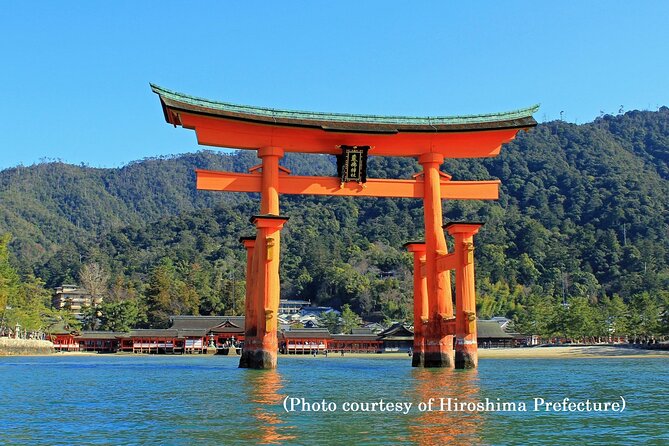
After reaching Hiroshima, you continue toward Miyajimaguchi by train or vehicle, then board a boat for Miyajima. The crossing adds a pleasant change of pace after the train and brings you to the island’s famous shrine setting.
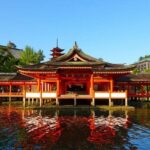
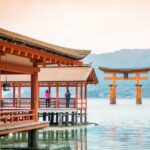
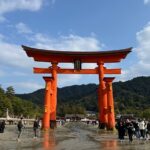
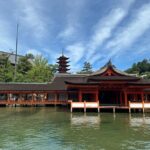
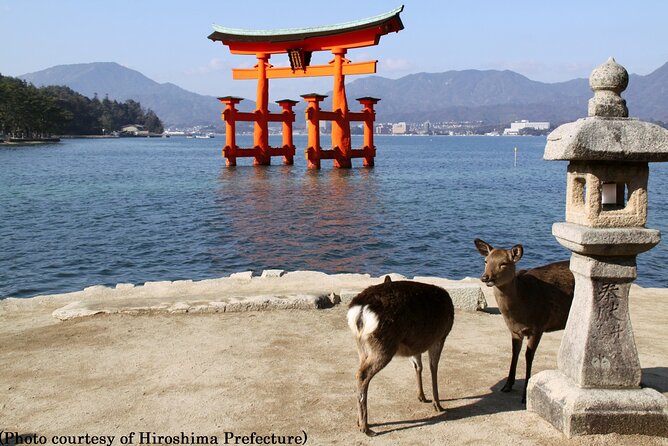
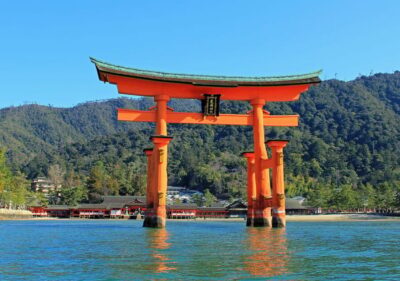
Itsukushima Shrine dates to the sixth century and is known for its Shinden-zukuri design, an architectural style associated with aristocratic residences of the Heian period. The shrine’s buildings and the large torii gate create the island’s signature view, especially when approached from the water.
The tour includes admission to the shrine area and about an hour at the Itsukushima Shrine Treasure Hall stop. Your guide helps explain what you are seeing, though the exact order and time at each place can change because of congestion and transport conditions.
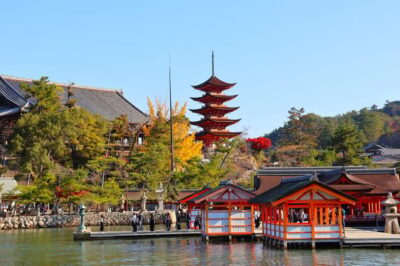
Miyajima is more than one photograph. You have time to walk, look around the shrine grounds, browse shops, and watch the deer that roam the island. Some people use their free time for a slower look at the shrine. Others want to shop, eat, or seek out additional island sights. The schedule does not allow you to do everything.
A useful warning: the island can tempt you into losing track of time. Keep an eye on your meeting instructions. The boat departure and the later Hiroshima schedule cannot wait for a long browsing stop.
Lunch on Miyajima
Lunch is not included, and you choose your own meal on Miyajima. The allotted lunch period is about one hour, which is enough for a focused meal but not much of a relaxed food tour.
Local specialties include oysters, Hiroshima-style okonomiyaki, and conger eel rice bowls. These give you a better sense of the region than a generic packed meal, but busy restaurants and queues can eat into your hour. I would decide what kind of lunch you want before arriving, then move promptly once you have chosen.
This is one place where the tour’s value depends on your habits. Independent eaters may appreciate choosing their own food and price. People who prefer a scheduled group meal may find the free lunch period less convenient. Bring enough time awareness to enjoy the meal without turning the afternoon into a race.
Returning to Hiroshima for the difficult history
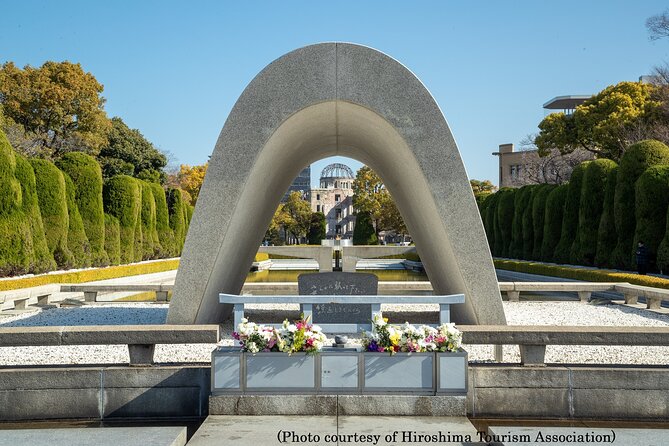
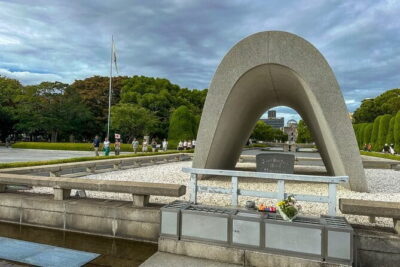
You reboard the boat and return toward Hiroshima, shifting from scenic Japan to one of the country’s most serious places. Hiroshima Peace Memorial Park was created after the Pacific War and now serves as a central place for remembrance and peace education.
The Peace Memorial Museum presents the bombing and its aftermath through exhibits describing the destruction caused by the atomic bomb. This is not light sightseeing. Some displays are distressing, and the visit can leave you quiet for the rest of the day. That emotional weight is part of the reason to go, but you should prepare yourself for it.
The museum visit is scheduled for about one hour. That gives you an introduction, not a full study. Several people have wished for more museum time, and I understand why. If you read every display carefully, you will probably have to move quickly or leave some material for another visit.
The best guides handle this section with care. Mayumi, Yuko, Akiko, Nob, Masako, Sato, Hiro, and Keiko have been singled out for clear explanations, warm assistance, and, in some cases, family stories connected to survivors. Personal accounts can make the history feel immediate, though the quality of spoken English and the depth of commentary may vary.
One reported weakness is the use of a large group without suitable audio equipment. In a crowded museum or outdoor area, a soft-spoken guide can be difficult to hear. If your guide is hard to catch, stay close and ask for clarification rather than drifting to the edge of the group.
A few more Osaka tours and experiences worth a look

The Atomic Bomb Dome
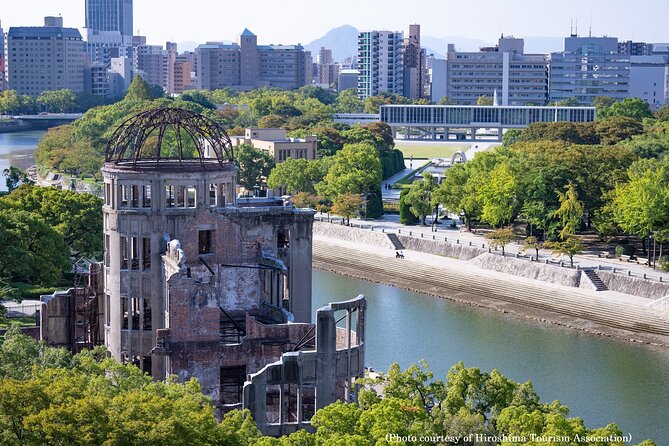
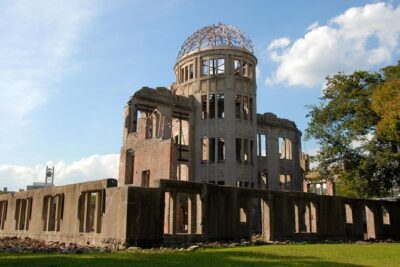
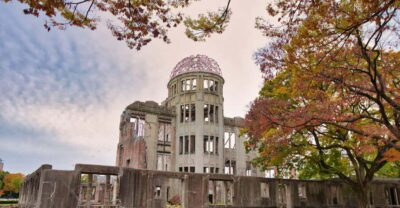
The Atomic Bomb Dome is scheduled for about 40 minutes. The skeletal building survived the 1945 bombing and has been preserved as a warning about the human cost of nuclear war.
Seeing the Dome after the museum helps connect the exhibits to a real place. It is not a polished monument or a scenic photo stop. The damaged structure is stark, and the surrounding park gives you space to think about what happened nearby.
The tour usually reaches the Dome by bus after the museum, according to the stated route. Road conditions and crowd levels can alter the exact sequence. Your guide may explain the site’s role in Hiroshima’s public memory and the city’s rebuilding after the attack.
Forty minutes is enough to see the Dome and hear an explanation, but not enough for a broad walk through every part of the park. If you want extended time at the Cenotaph, Children’s Peace Monument, or other memorials, plan a separate Hiroshima visit.
What the guides add
The strongest part of the human side of this tour is the Hiroshima guide. A local voice can explain not only dates and buildings, but also how the city remembers the bombing today. Several guides have shared family experiences, including stories from parents or relatives who survived.
That does not mean every guide will provide the same depth. Some people have found the commentary moving and full of useful detail. Others have found the English too soft or the information too general, especially with a group of more than 30 people.
You should also understand the guide arrangement. The licensed English guide is listed for the Hiroshima segment, while Osaka staff manage the initial station transfer. Escorts help you reach the right train and return platform, which is especially useful in a busy station, but you still need to listen carefully and remain with the group.
The pace, group size, and physical demands
The tour allows most people to participate and uses public transportation, trains, boats, and buses. You should be comfortable walking through stations, moving between platforms, boarding a boat, and keeping up with a timed group.
The maximum group size is 40. Actual group sizes can be smaller, but some outings have involved more than 10 people and others around 30 or more. A large group can slow down boarding, head counts, and regrouping. It can also make a quiet guide harder to hear.
Children up to age five may join free, but they do not receive a bus seat unless booked at the child rate. Anyone under 18 needs written parental permission. Those under 15, or not yet enrolled in middle school, must travel with a parent or guardian.
This is not a good day for a loose plan. The train, boat, lunch, museum, and return connection all depend on timing. Wear comfortable walking shoes and keep your personal items easy to manage during transfers.
Is the $397.73 price fair?
At $397.73 per person, this is an expensive day trip. Lunch is extra, and that price will make independent visitors compare the cost of buying rail tickets and arranging Miyajima transportation themselves.
The tour includes Shinkansen tickets, other listed transport, admission fees, the Miyajima visitor tax, and an English-speaking licensed guide for Hiroshima. You are paying for coordination as much as for admission. That can be worthwhile if you have only one free day, dislike complex transfers, or want a guide to frame the memorial sites.
The price is harder to justify if you are comfortable using Japanese trains, researching ferry connections, and visiting the museum without help. An independent trip may give you more time and control. You can also choose to spend longer on Miyajima or stay in Hiroshima overnight.
I see this as a convenience purchase, not a bargain. Its value is strongest for a first visit from Osaka when you want the major sights covered and do not want to spend your holiday managing logistics.
Who should book this day trip?
I would recommend it for you if Hiroshima is important but you have only one day available from Osaka. It also suits first-time visitors who want a guide for the Peace Memorial Museum and a simple path through unfamiliar transport connections.
It is a good match for people interested in modern Japanese history, memorial sites, architecture, and the contrast between Miyajima’s serene shrine setting and Hiroshima’s difficult past. The personal stories shared by some guides can add a human layer that a self-guided visit may not provide.
I would hesitate if you dislike early starts, long transport days, or fixed group schedules. It is also not ideal if your priority is hiking, riding the island gondola, eating slowly, or studying the museum in detail. Miyajima alone can fill a day, and Hiroshima’s memorial area deserves more than a hurried hour if you want to read everything.
Cancellation is free up to 24 hours before the 7:40 am start time. Changes or cancellations made within 24 hours are not accepted for a refund.
Should you book it?
Book this tour if you want one organized day from Osaka that combines the Shinkansen, Miyajima, and Hiroshima’s essential memorial sites. The transport support and local Hiroshima guide can remove a lot of stress, and the best guides bring real feeling to a difficult subject.
Skip it if you want value measured by time rather than convenience. For the price, you may prefer to travel independently or spend a night in Hiroshima. For everyone else, this is a demanding but meaningful introduction, provided you accept the early start, limited lunch and museum time, and need to stay on schedule.
FAQ
How long does the tour last?
The stated duration is approximately 13 hours and 10 minutes. It begins at 7:40 am and ends at Osaka Station around 9:00 pm.
Where does the tour start?
The meeting point is the elevator hall on the first floor of Hotel Granvia Osaka, at 3-chōme-1-1 Umeda, Kita Ward, Osaka.
Where does the tour end?
The tour ends at Osaka Station. No hotel drop-off is provided, so you must continue to your next destination from the station on your own.
Is lunch included?
No. Lunch is at your own expense on Miyajima. Local choices include oysters, Hiroshima-style okonomiyaki, and conger eel rice bowls.
Are Shinkansen tickets included?
Yes. Shinkansen tickets and listed transportation costs are included. Seating is reserved in either a standard car or Green Car, though seats may not be designated.
Is an English-speaking guide included?
Yes. A National Government Licensed English Guide Interpreter is included during the Hiroshima portion of the tour. Osaka staff escort you during the initial transfer to Shin-Osaka.
How large can the group be?
The tour can have a maximum of 40 participants. The group size may vary on the day.
Can young children join?
Children up to age five may join free, but they will not receive a bus seat unless booked under the child rate. Participants under 18 need written parental permission, and those under 15 or not yet in middle school must be accompanied by a parent or guardian.
Can I cancel for a full refund?
Yes, if you cancel at least 24 hours before the experience start time. Cancellations or changes made less than 24 hours before the start are not accepted for a refund.
More Day Trips from Osaka & Kyoto in Osaka
More Hiroshima City Tours in Osaka
More Miyajima Tours in Osaka
More tours in Osaka we've reviewed
Miyajima Tours, compared.
 ★ 5.0Peaceful Hiroshima & Miyajima UNESCO 1 Day Bus TourFrom $129
 ★ 4.9Hiroshima: Hiroshima and Miyajima UNESCO Sites 1-Day TourFrom $1228 hours
 ★ 5.0Hiroshima / Miyajima Full-day Private Tour with Government Licensed GuideFrom $202
 ★ 4.7Osaka/Kyoto: Hiroshima Miyajima Bus Tour & Shinkansen TicketFrom $27712 hours
 ★ 4.7From Hiroshima: Hiroshima & Miyajima 1 Day Tour with LunchFrom $1168 hours
 ★ 5.0Hiroshima and Miyajima Day Trip with Itsukushima Shrine & FerryFrom $45
