
Reviewed · HIROSHIMA CITY TOURS
1-Day Tour from Hiroshima: Naval History in Port City Kure
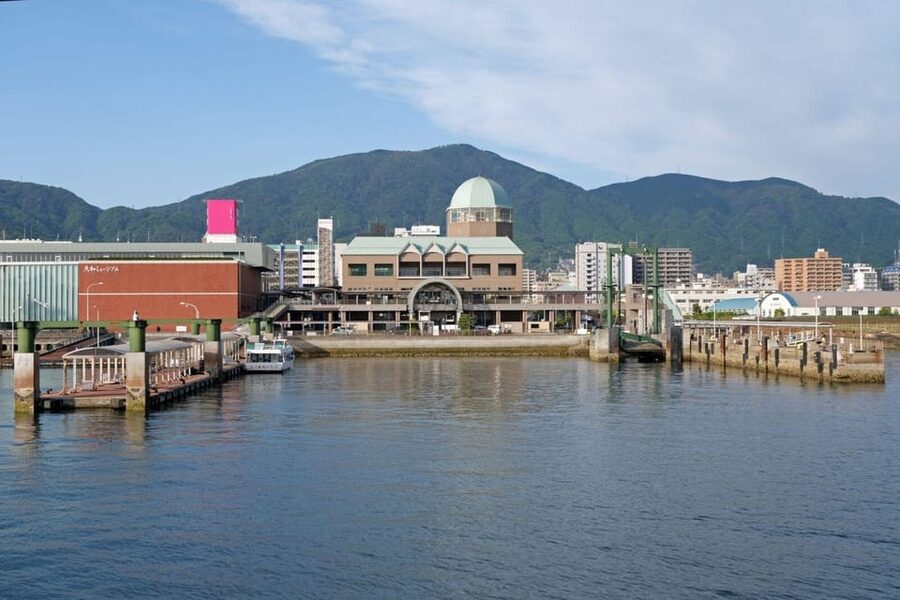
Kure is the sort of port city that makes Japan’s modern history feel close at hand. From the harbor boat, you can look across at submarines, warships, and cargo vessels while your guide explains how this working naval center developed. Later, you’ll enter a real decommissioned submarine and visit the former home of a naval commander.
I like the mix of working harbor views and museums, since you are not simply looking at old objects behind glass. I also like the chance to try Kure specialties at your own pace, especially JMSDF curry or Kure Reimen. The main consideration is that the Yamato Museum is under renovation until March 2026, so the famous one-tenth-scale Yamato model is replaced by a smaller 1:100 model and a full-size Type Zero Observation Seaplane model.
In This Review
- Key points at a glance
- Why Kure makes a strong day trip from Hiroshima
- Meeting your guide at Hiroshima Station
- Kure Harbor by boat
- A practical Kure lunch break
- The Yamato Museum Satellite during renovation
- Inside the JMSDF Museum submarine
- Irifuneyama Memorial Museum and the naval commander’s home
- The hilltop view over Kure
- Value, pace, and who should book
- Should you book the Kure naval history day trip?
- FAQ
- Where does the tour meet in Hiroshima?
- What time does the tour start?
- Is lunch included?
- Can I see the large Yamato model?
- Is the tour available in English?
- Does the tour involve much walking?
Key points at a glance
- Cruise Kure Harbor: See JMSDF ships, submarines, and cargo vessels from the water while your guide explains their roles.
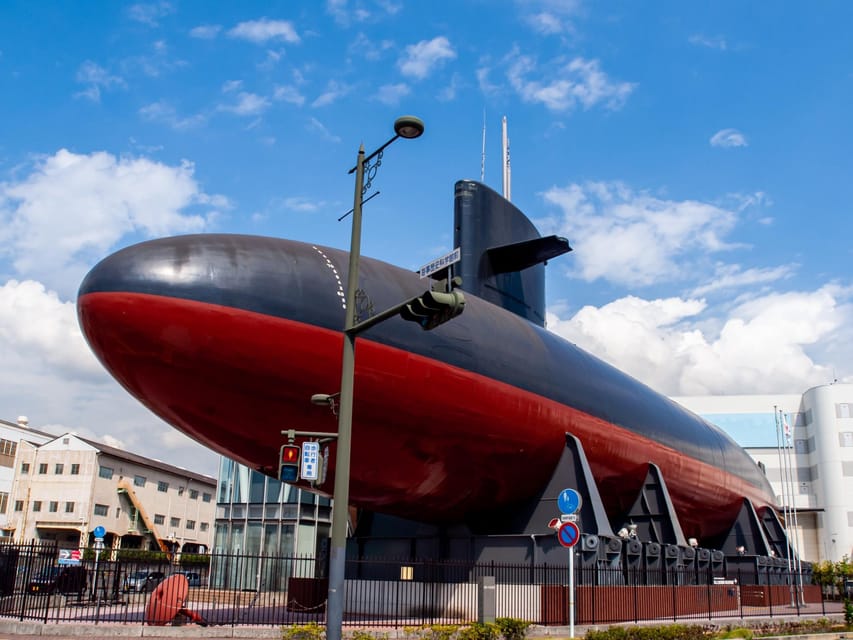
- Enter a real submarine: The JMSDF Museum gives you a rare look at cramped living and working spaces below deck.
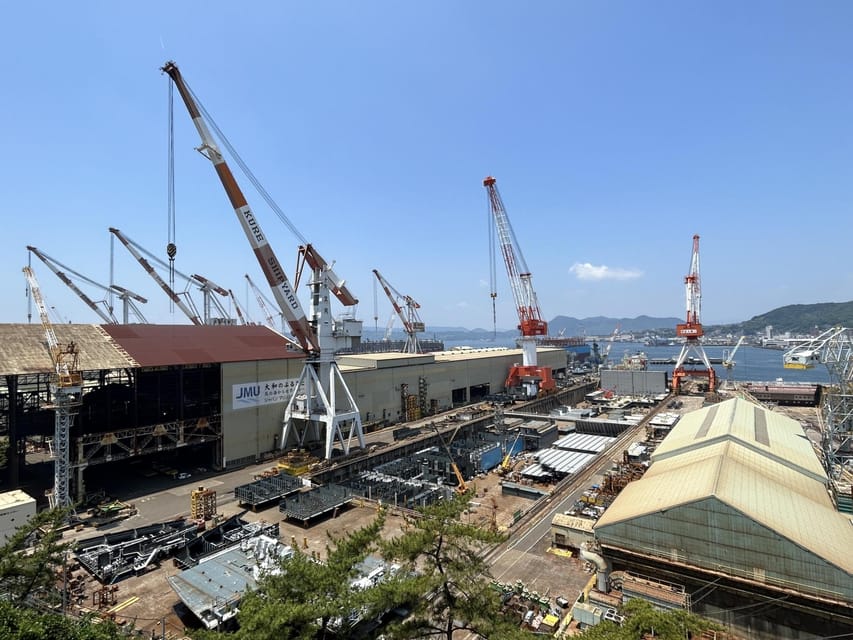
- See Yamato-related exhibits: The temporary Yamato Museum Satellite covers Kure’s shipbuilding, military past, science, and technology.
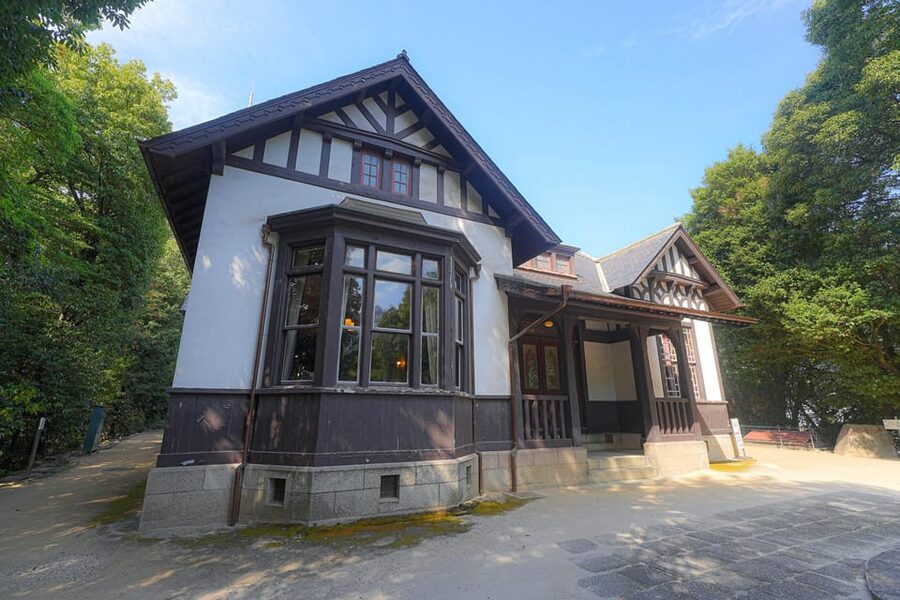
- Compare Japanese and Western rooms: Irifuneyama Memorial Museum preserves the former official residence of the Kure Naval Station commander-in-chief.
- Eat local Kure food: Lunch is not included, but the pier area offers Kure JMSDF curry, Kure Reimen, and miso-braised chicken skin.
- Look across modern Kure: A hilltop viewpoint shows where the Yamato was built and how the port changed from military base to peaceful industrial city.
Why Kure makes a strong day trip from Hiroshima
Hiroshima is usually associated with the Peace Memorial Park and the city’s wartime destruction. Kure offers a different but connected story. It was a major military port and shipbuilding center, and its docks played a key role in Japan’s naval development.
That makes this a useful side trip if you want more than memorials and city sightseeing. You are looking at technology, shipbuilding, naval strategy, and everyday life inside a military institution. The tone is historical rather than sensational. The experience can be especially rewarding if battleships, submarines, engineering, or World War II history interest you.
The day lasts about nine hours and begins at Hiroshima Station at 9:30 AM. Public transportation is included between the scheduled activities, along with admission to the tour stops. At $153 per person, this is not a cheap independent day trip, but the price covers transport during the day, several entrance fees, harbor sightseeing, and an English-speaking guide who ties the stops together.
That last part matters. Kure’s museums are easier to appreciate when someone explains why the city mattered, how the ships were used, and how the port changed after the war. The day is not just a collection of unrelated attractions.
Meeting your guide at Hiroshima Station
The meeting point is under the Tourist Information sign outside the Shinkansen gates. If you arrive by Shinkansen, the sign should be directly to your left after leaving the gates. If you arrive on a regular JR line, follow the signs toward the Shinkansen gates.
Arriving by bus means finding the underground passage near the bus stops and following signs to Hiroshima Station. Streetcar passengers are already close to the station, while taxi passengers should ask for the Shinkansen Entrance, also called the North Entrance.
Look for the guide holding a SNOW MONKEY RESORTS tour sign. This is a busy station, so allow enough time to find the correct exit. Coin lockers are available if you do not want to carry a large bag all day, although the tour information does not specify locker sizes or availability on your date.
The guides speak English. Isabella is one guide associated with this experience, and the day can include plenty of conversation and questions. One useful strength is flexibility within the schedule. The supplied details indicate that guests have been able to shape parts of the day through questions and discussion, which is helpful when your interests lean more toward ships, architecture, or local food.
Kure Harbor by boat
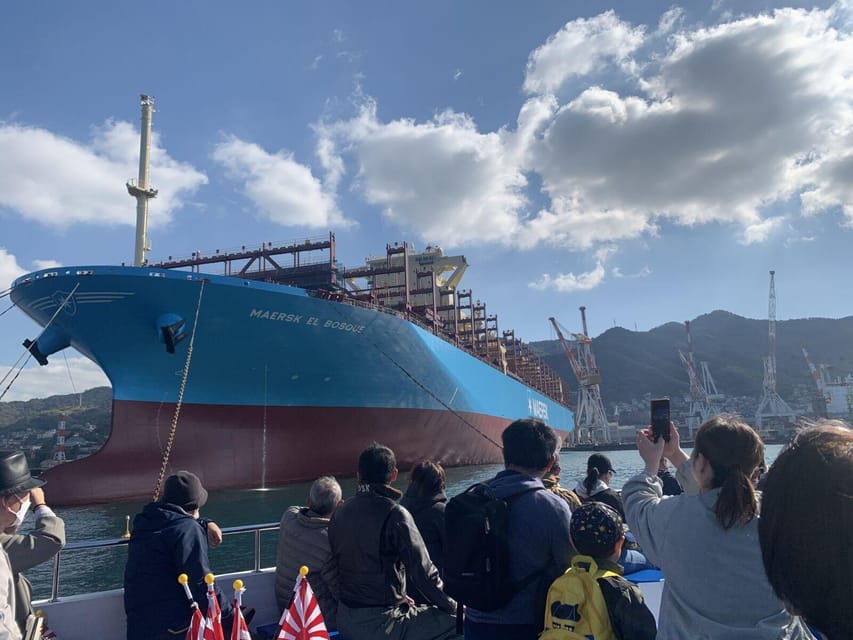
The first major stop is the harbor cruise. This is one of the most effective parts of the day because you see Kure as a working port rather than as a museum display.
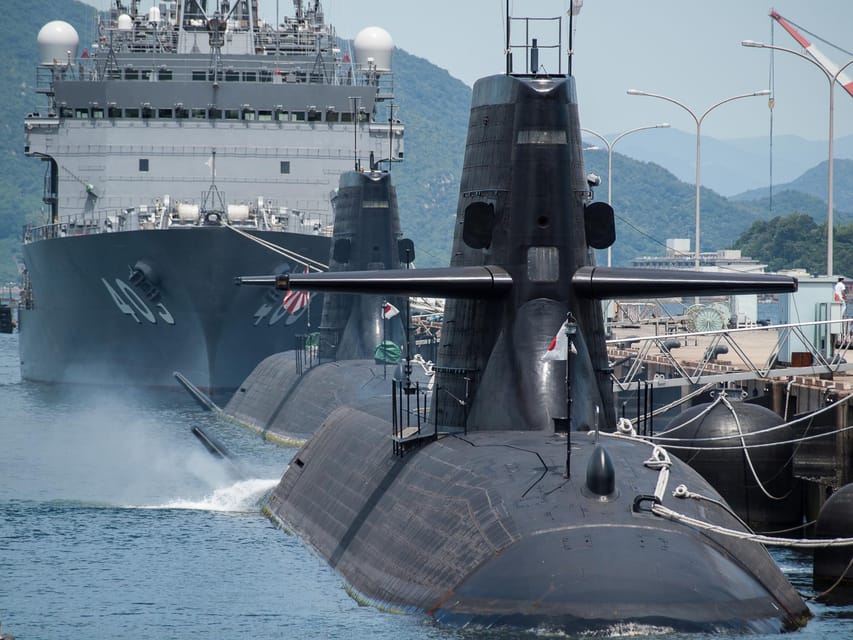
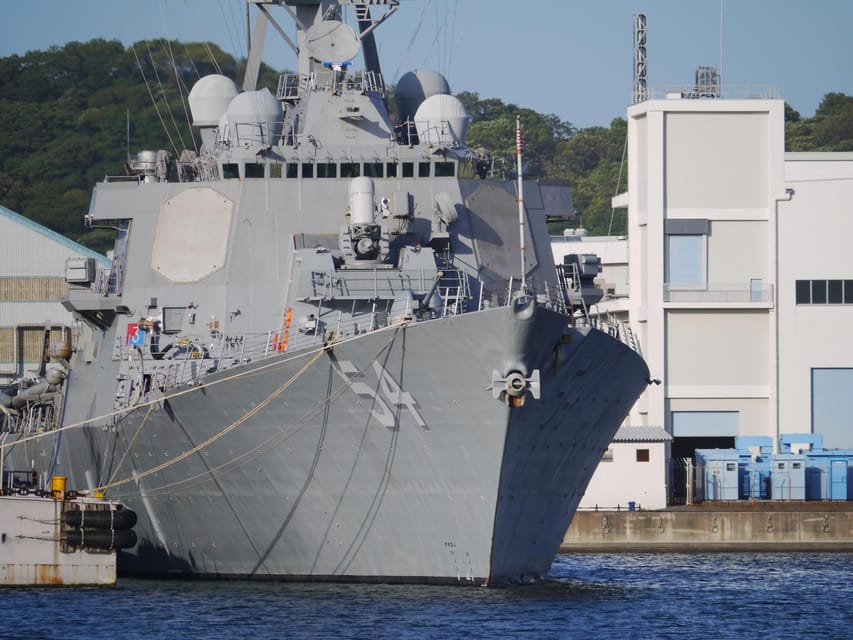
From the boat, you can get closer views of Japanese Maritime Self-Defense Force ships, submarines, and cargo vessels. Your guide explains the history and purpose of the vessels, giving you a way to read the waterfront instead of simply photographing it.
The cruise also helps explain Kure’s geography. The city grew around its protected harbor and naval facilities, and the water remains central to its identity. You will see a port connected to industry, defense, and shipbuilding, not a decorative waterfront built only for sightseeing.
Photography is allowed, but use good judgment around military personnel. Do not photograph service members without permission. The tour information also asks you to be respectful generally, a sensible rule in an active naval setting.
The boat ride is likely to be a highlight for anyone interested in naval design. It is also the part most dependent on conditions and scheduling, since all listed activities remain subject to availability. If an activity needs direct confirmation from a venue or has to change, the operator says it will contact you about an alternative.
A practical Kure lunch break
Lunch is not included, which gives you freedom but also means you should budget for it. The break takes place near the pier, where you can choose from local specialties.
Kure JMSDF curry is the obvious choice for a naval-themed day. Curry has a long association with Japanese naval food, and ordering it here adds local context to the museum visits. Kure Reimen offers a different option, while miso-braised chicken skin is a more unusual regional bite for diners who want to try something less familiar.
The time is described as a break with free time near the pier, but the supplied information does not give a fixed lunch allowance or a restaurant list. Keep an eye on your watch and stay aware of the group meeting time. This is not a leisurely restaurant tour, so choose a meal that fits the schedule.
I like that lunch is left open rather than built into the price. You pay for what you want, and you can pick a local dish instead of receiving a standard group meal. The tradeoff is less certainty, especially if you prefer a prearranged lunch or have strict dietary needs.
The Yamato Museum Satellite during renovation
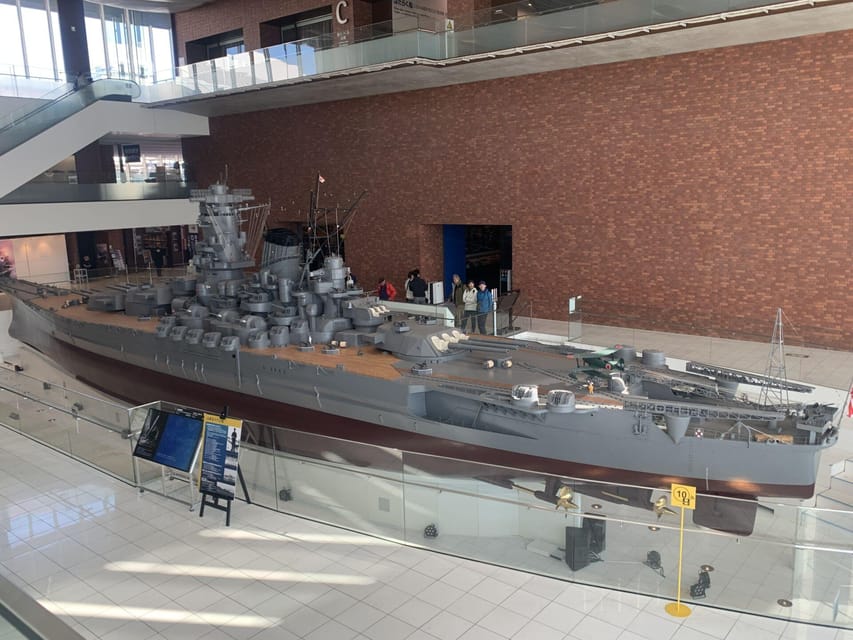
The Yamato Museum is central to Kure’s identity, but renovation changes what you will see until March 2026. During this period, the tour visits a temporary exhibit called the Yamato Museum Satellite.
The satellite exhibit presents the same broad subjects: Kure’s role in Japan’s military conflicts, shipbuilding, science, and technology. You can expect ship blueprints and authentic World War II items, along with information about the people and systems behind naval construction.
The major change concerns the model of the battleship Yamato. The main museum’s one-tenth-scale model, famous for its size, is not currently viewable. Instead, the temporary site has a 1:100 Yamato model and a full-scale model of the Mitsubishi F1M Type Zero Observation Seaplane.
That difference matters if the giant Yamato model is your main reason for booking. The 1:100 model will not create the same visual impact, so check the renovation status before you reserve if that particular display is essential. On the other hand, the temporary exhibit still gives you a useful look at Kure’s technical and military role, and the full-size seaplane model should help you understand the equipment in a more physical way.
The Yamato itself was the largest battleship ever constructed. The museum stop is not only about the ship’s size. It gives you a chance to consider the engineering effort, industrial capacity, and wartime priorities that made its construction possible.
Inside the JMSDF Museum submarine
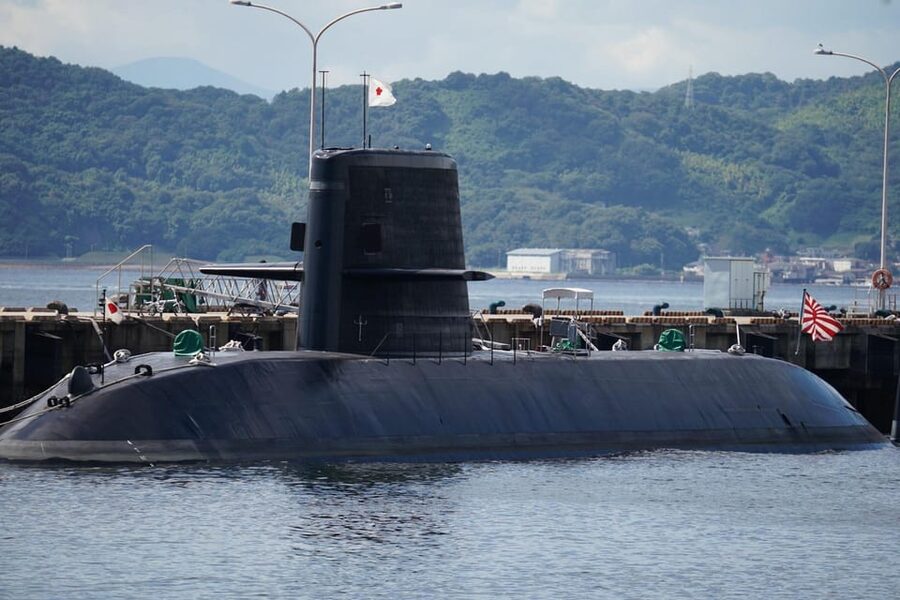
The JMSDF Museum shifts the focus from shipbuilding to naval duties, with particular attention to minesweeping. That subject may sound narrow, but it shows an important side of maritime security and gives the museum a clear purpose beyond battleship nostalgia.
The most memorable feature is the real decommissioned submarine. You can step inside and get a direct sense of the limited space available to the crew. A submarine interior makes daily life feel physical: narrow passageways, compact rooms, and equipment arranged for function rather than comfort.
You do not need specialist naval knowledge to enjoy this stop. The guide’s explanations help connect the objects to the work performed by the Japanese Navy and JMSDF. Still, people fascinated by machinery and military hardware will likely spend more time examining details than those who prefer art or traditional culture.
Expect stairs and walking throughout the day. Comfortable shoes are important, and the submarine may feel challenging for anyone who has difficulty with confined spaces or uneven movement. The tour data does not provide detailed accessibility information, so ask the operator before booking if mobility is a concern.
Irifuneyama Memorial Museum and the naval commander’s home
The Irifuneyama Memorial Museum offers a welcome change of pace. Instead of ships and military equipment, you visit the former official residence of the commander-in-chief of the Kure Naval Station.
The building’s value lies in its rooms and setting. You can see how a senior naval family lived and compare Western-style rooms with Japanese-style rooms. That contrast says a great deal about Japan during the period, when foreign design and domestic traditions existed side by side.
Your guide explains the family connected with the house and points out its distinctive interior details. This is a quieter stop than the harbor cruise or submarine, but it adds social context. Military history can become too focused on hardware. A residence reminds you that institutions were also made up of families, domestic routines, and formal social life.
The museum and its surroundings also bring architecture into the day. If you enjoy historic homes, room layouts, and period design, you may find this stop more rewarding than expected. If you are interested only in ships, it may feel slower, but it gives the itinerary welcome variety.
The hilltop view over Kure
The tour then climbs a small hill for a panoramic view of Kure. From above, you can see the port’s connection to the city and identify the place where the battleship Yamato was built.
This viewpoint is more than a photo stop. It lets you read the city’s changes in one frame. Kure was shaped by military use, yet the view also presents a peaceful and industrious port. The harbor, factories, streets, and water show how a former naval center continues to function in ordinary civic life.
The climb adds to the physical demands of the day. You will already have walked through museums and boarded a boat, so wear shoes with good support. The route includes stairs, and the tour is not designed as a sit-down sightseeing experience.
After the viewpoint, the itinerary includes a relaxing walk along the harbor before returning to Hiroshima Station. That final stroll gives you time to let the day settle. You are not rushed from one display to the next, and the calm water offers a useful contrast to the military subject matter.
Value, pace, and who should book
The $153 price makes the most sense if you value guidance and structure. Independent visitors could potentially reach Kure by public transportation and pay museum admissions separately, but they would need to organize the harbor experience, understand the city’s naval background, and connect several stops into one day.
Here, transportation to the activities and entry fees are included. You also get an English-speaking guide throughout the day. The result is a full schedule that would take more planning on your own.
The tour suits you best if you have:
- An interest in battleships, submarines, shipbuilding, or military history
- A full day available from Hiroshima
- A preference for guided context rather than self-guided museum visits
- Enough mobility for walking and stairs
- An appetite for local food and an open lunch break
It may not be the right choice if you want a slow day, dislike military subjects, or mainly want to see the famous one-tenth Yamato model. Until March 2026, that model is unavailable, and the smaller replacement changes the visual impact of the museum visit.
The four existing ratings are all five stars, with especially strong praise for the guides. Isabella is described as well prepared and able to answer almost every question. Another highly positive experience came from a solo booking, where the guest found it easy to have detailed conversation with the guide. That is a useful point if you are traveling alone and want a day with personal interaction rather than a large, impersonal outing.
Should you book the Kure naval history day trip?
Book this tour if you want to understand Kure through its ships, museums, homes, harbor, and city view in one organized day. The boat cruise, submarine interior, and hilltop view give the subject variety, while the guide helps connect the exhibits to the city around you.
I would book it with one clear expectation: the Yamato Museum is temporarily replaced by the Yamato Museum Satellite until March 2026. If you can accept the 1:100 model in place of the large one-tenth display, the day still offers a strong look at Kure’s naval and industrial past.
Meet at Hiroshima Station by 9:30 AM, bring comfortable shoes, budget separately for lunch, and leave large bags in a station locker if useful. For anyone with a serious interest in warships or Japanese maritime history, this is one of the more focused and worthwhile day trips you can make from Hiroshima.
FAQ
Where does the tour meet in Hiroshima?
The meeting point is under the Tourist Information sign outside the Shinkansen gates at Hiroshima Station. If you arrive by Shinkansen, the sign is directly to your left as you exit the gates.
What time does the tour start?
The tour starts at 9:30 AM. The full experience lasts about nine hours and ends in front of the Shinkansen gates at Hiroshima Station.
Is lunch included?
No. Lunch is not included in the price, but you have free time near the pier to try Kure JMSDF curry, Kure Reimen, or miso-braised chicken skin.
Can I see the large Yamato model?
Until March 2026, the main Yamato Museum is undergoing renovation. The temporary Yamato Museum Satellite has a 1:100 Yamato model instead of the main museum’s one-tenth-scale model, plus a full-scale Mitsubishi F1M Type Zero Observation Seaplane model.
Is the tour available in English?
Yes. The tour includes a live English-speaking guide.
Does the tour involve much walking?
Yes. The itinerary includes harbor activities, museum visits, a submarine interior, a hilltop viewpoint, and a harbor walk. Stairs are included, so comfortable shoes are recommended.
Hiroshima City Tours, compared.
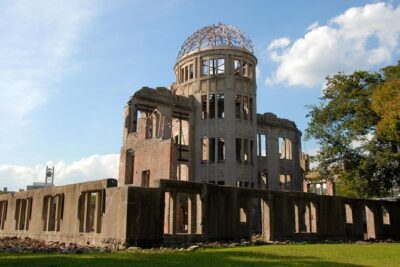 ★ 5.0Peaceful Hiroshima & Miyajima UNESCO 1 Day Bus TourFrom $129
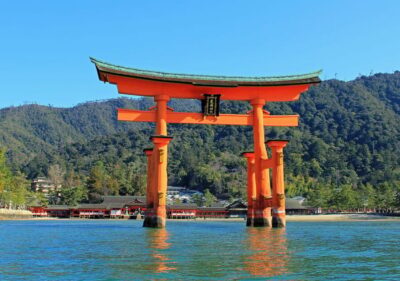 ★ 4.9Hiroshima: Hiroshima and Miyajima UNESCO Sites 1-Day TourFrom $1228 hours
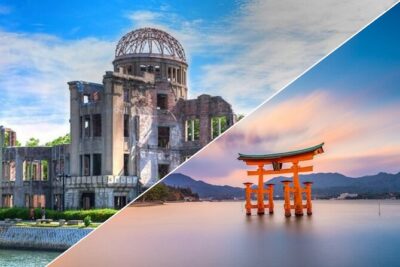 ★ 5.0Hiroshima / Miyajima Full-day Private Tour with Government Licensed GuideFrom $202
 ★ 4.7Osaka/Kyoto: Hiroshima Miyajima Bus Tour & Shinkansen TicketFrom $27712 hours
 ★ 4.8Hiroshima Historical Walking Tour – Why A-Bomb was DroppedFrom $352h 30m
 ★ 5.0Hiroshima Peace (Heiwa) Walking Tour at World Heritage SitesFrom $94
