
Reviewed · MIYAJIMA TOURS
Full Day Hiroshima and Miyajima Tour by Bullet Train from Kyoto
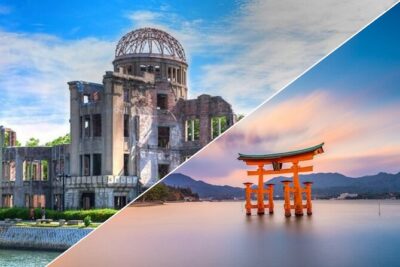
Miyajima’s great red torii gate and Hiroshima’s Peace Memorial sites make a powerful pair. This 13-hour, 20-minute day trip lets you see both without arranging Shinkansen tickets, local trains, ferries, buses, and museum admission on your own.
I like two things right away: reserved bullet-train travel removes a lot of stress, and the Hiroshima guide adds context that signs alone cannot provide. Guides such as Masako, Azusa, Sato, Takeshi, and Taeko Watanabe have been singled out for clear explanations, humor, and careful organization. The main drawback is time. You may feel rushed at the Peace Memorial Museum, especially if Miyajima receives the longer share of the afternoon.
I also like the rhythm of the day. You begin with the beauty and calm of a sacred island, then turn to Hiroshima’s difficult wartime story. Just remember that lunch is not included, the meeting point is underground and easy to miss, and you return to Kyoto around 9:00 p.m. with no hotel drop-off.
In This Review
- Key points before you book
- Why this Kyoto day trip works
- Finding the 7:30 a.m. meeting point
- The Shinkansen ride from Kyoto to Hiroshima
- Arriving on Miyajima, Japan’s Sacred Island
- Lunch on Miyajima, with no meal included
- From island beauty to Hiroshima’s Peace Memorial Park
- Seeing the Atomic Bomb Dome
- The Hiroshima Peace Memorial Museum
- Is $399.71 a fair price?
- Who should take this tour?
- Final verdict: book it for access, not leisure
- FAQ
- How long is the Hiroshima and Miyajima tour from Kyoto?
- Where does the tour start?
- Is transportation included?
- Is lunch included?
- What sites are visited?
- Is an English-speaking guide included?
- Can children join the tour?
Key points before you book
- Two major Hiroshima-area sights in one day: Visit Miyajima and the Peace Memorial Park from Kyoto without changing hotels.
- Reserved Shinkansen seats are included: The long journey is handled for you, with standard or Green Car seating depending on the booking.
- Miyajima comes first: See Itsukushima Shrine, the famous torii gate, free-roaming deer, and local food shops before the more serious Hiroshima sites.
- The museum visit is meaningful but limited: You get about an hour inside, which may not be enough for every exhibit.
- Lunch is your responsibility: Miyajima offers oysters, Hiroshima-style okonomiyaki, and conger eel rice bowls, but you pay separately.
- Expect a full group day: The maximum group size is 40, and timing can shift with traffic, ferry schedules, and conditions at each site.
Why this Kyoto day trip works
Kyoto and Hiroshima are roughly 360 kilometers apart, so a self-guided visit takes planning. You need a Shinkansen ticket, a way from Hiroshima Station to Miyajimaguchi, a ferry, local transport around Hiroshima, and a return train. This tour bundles those moving parts into one long day.
The strongest practical benefit is the train. You meet at the JTB Sunrise Tours Desk inside the B1 floor of Avanti, across from Kyoto Station’s Hachijo Exit. Staff walk you to Kyoto Station and help you board. At Hiroshima, a local English-speaking guide takes over for the city portion.
That division of labor matters. You are not left trying to find a ferry terminal while watching the clock. You also avoid the worry of buying a return ticket after a tiring day at the museum. The return is by Shinkansen to Kyoto Station, with the tour ending there in the evening.
The tradeoff is the early start and late finish. The meeting time is 7:30 a.m., and you should plan your evening around reaching Kyoto Station at about 9:00 p.m. This is not a relaxed excursion. It is a concentrated way to reach two important places when your time in Japan is limited.
A few more Kyoto tours and experiences worth a look

Finding the 7:30 a.m. meeting point
The Sunrise Tours Desk is in Avanti B1F, at 31 Higashikujō Nishisannōchō, across from Kyoto Station’s Hachijo Exit. The location is near public transportation, but the underground position can confuse people who expect a clear sign in the main station concourse.
I would arrive early and locate Avanti the day before if possible. Several practical complaints about the day began before the train left because the meeting point was hard to find. Give yourself extra time to go downstairs, rather than arriving at Kyoto Station at 7:25 and hoping the directions make sense.
Once you meet the staff, the Kyoto departure is straightforward. You walk to the station, board the Shinkansen, and settle in for the ride. The listed train segments are about 1 hour and 40 minutes each, while the overall journey is often described as roughly two hours. Seats are reserved, although exact seat designation may depend on availability.
The Shinkansen ride from Kyoto to Hiroshima
The bullet train is more than transport here. It makes the distant day trip possible and gives you a comfortable block of time before the sightseeing begins. Bring breakfast or a drink for the morning ride, since lunch comes later on Miyajima and is not included.
Standard and premium Green Car seating may be available, but the exact arrangement is not guaranteed in advance. The tour price includes the train transportation and reserved seating, which is a major part of the value at $399.71 per person.
That price is not cheap. You are paying for round-trip high-speed rail, local transportation, ferry travel, admissions, the Miyajima visitor tax, and a licensed English guide. If you already feel confident arranging rail travel and ferry connections in Japan, you may prefer to plan the trip yourself. If you want one organized day with the main costs handled, the package can make financial and practical sense.
Arriving on Miyajima, Japan’s Sacred Island
At Hiroshima Station, you continue to Miyajimaguchi by train or vehicle. From there, you take a boat to Miyajima, often called the Sacred Island. The ferry crossing provides a welcome change from the train and road portions of the morning.
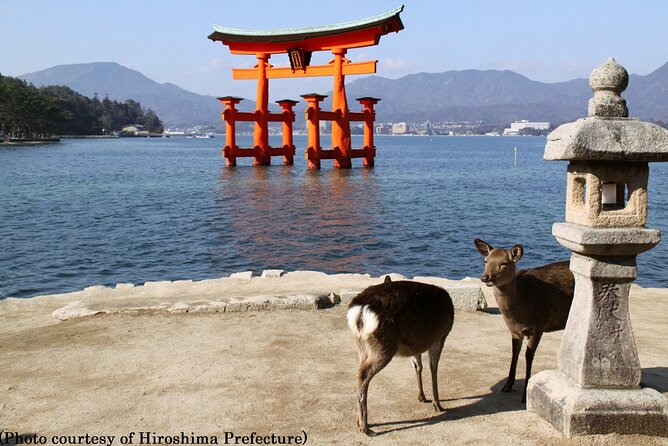
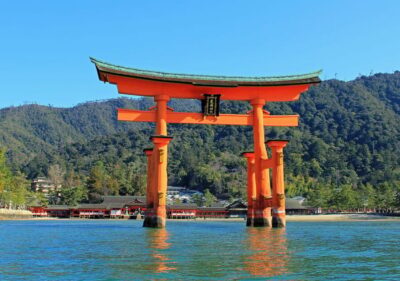
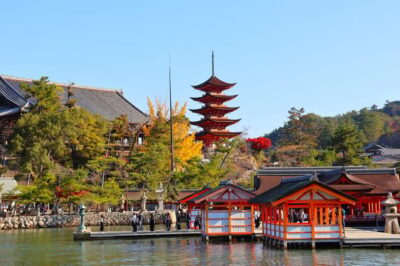
The island’s main sight is Itsukushima Shrine, founded in the sixth century and known for its Heian-period Shinden-zukuri architecture. At high tide, its large torii gate appears to float offshore. The effect depends on the tide and weather, but the shrine remains striking even when the gate is surrounded by exposed ground.
You may see deer wandering around the island. They are part of the Miyajima experience, but the central attraction is the shrine and its setting. Your guide explains the religious importance and architectural details before you receive some free time.
The schedule allows about an hour for the shrine and about an hour for Miyajima in the listed itinerary. Elsewhere, the day is described as roughly 45 minutes on the island before lunch, and one detailed account describes about 80 minutes of free time. The exact balance can change, so do not count on a long, unhurried visit.
Lunch on Miyajima, with no meal included
Lunch is on your own. This gives you freedom to choose a quick snack or a proper meal, but you need to watch the clock. Miyajima is known for oysters, Hiroshima-style okonomiyaki, and conger eel rice bowls, all of which are listed as local options.
The free-time period is also your chance to browse the shopping street, take photographs, and see parts of the island beyond the guided shrine visit. If you want a sit-down meal, avoid spending all your time in shops first. The schedule is tight, and ferry or transport timing can reduce your actual free time.
Vegetarian choices may require extra care. The tour does not include lunch, and the information provided does not promise a vegetarian meal or a special menu. If you have dietary needs, ask at the food shops and keep a backup option in mind.
A good strategy is to decide before arriving what matters most to you: food, shopping, photos, or a little extra time near the shrine. You probably will not fit everything in at a leisurely pace.
A few more Kyoto tours and experiences worth a look
From island beauty to Hiroshima’s Peace Memorial Park
After Miyajima, you return by boat and continue to Hiroshima by vehicle or train. The mood changes sharply. The afternoon focuses on the atomic bombing of August 6, 1945, the people affected, and Hiroshima’s recovery after the war.
The guide is especially valuable here. The strongest accounts of the tour describe guides who made the material clear without losing its seriousness. Masako is praised for being attentive and energetic. Azusa is remembered for combining information with humor. Takeshi is described as organized and helpful, while Taeko Watanabe is praised for fitting practical advice and historical detail into the busy schedule.
Guide quality can vary, as it can on any group tour. One poor experience involved a guide who read from notes, gave short answers, and failed to engage the group. Another concern was audio equipment that did not work well. If your guide uses a receiver, make sure you can hear before the walking tour gets underway, and tell the guide promptly if the sound cuts out.
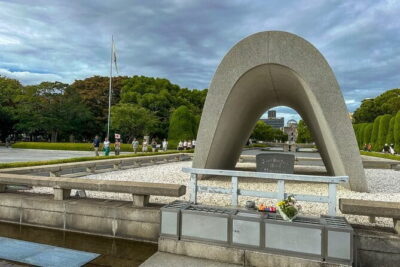
The Peace Memorial Park includes several important memorials. The Children’s Peace Monument is covered with thousands of origami cranes made by children. The Atomic Bomb Memorial Mound holds the ashes of about 70,000 victims, many of whom were unidentified or had no surviving family to claim them.
These places are not quick photo stops. You will have more time to take in the meaning if you pause, listen, and avoid treating the park as just another item on a sightseeing checklist.
Seeing the Atomic Bomb Dome
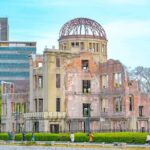
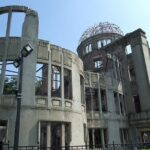
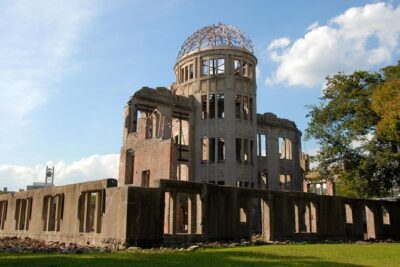
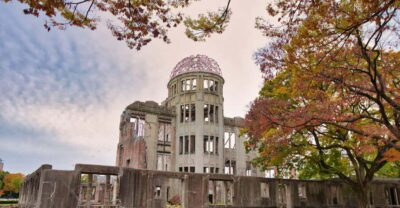
The Genbaku Dome, also called the Atomic Bomb Dome or Hiroshima Peace Memorial, is one of the few buildings left standing after the blast. Its damaged frame has been preserved as a warning and a symbol of the effort to prevent nuclear war.
The scheduled visit lasts about 40 minutes. That is enough to see the structure, hear its story, and visit nearby memorials, but it is not an extended architectural tour. Your guide gives the site meaning by explaining what happened to the building and why it remains in place.
The Dome is emotionally powerful because it is physical and immediate. The museum presents objects, photographs, and personal accounts. The Dome shows you the actual remains of a building near the blast’s center. I find the two experiences work best together, even though the schedule puts pressure on both.
The Hiroshima Peace Memorial Museum
The museum is the day’s most difficult stop. It presents the atomic bombing and its human consequences through exhibits about August 6, 1945, and Hiroshima’s recovery afterward. Some photographs and displays may disturb young children, so parents should use their judgment.
The planned museum visit is about one hour. That is the main weakness of this tour. You can see the central exhibits, but you may need to move quickly, especially when the museum is crowded. Hot conditions and poor audio equipment have also made the visit less comfortable for some people.
If Hiroshima’s history is your main reason for booking, you may wish the tour reduced Miyajima time and added at least 30 minutes to an hour at the museum. The tight timetable is understandable because the group must catch the return train, but it still means you may leave before reading every panel.
One useful option has been mentioned by the tour staff: you may be able to leave the group and remain longer at the museum, but you would need to change your return Shinkansen ticket. Do not assume this is effortless. Ask the guide early in the day if you are considering it, and understand that you would then be responsible for your own return arrangements.
Is $399.71 a fair price?
At $399.71, this is best judged as a convenience purchase rather than a budget excursion. The fee covers the round-trip Shinkansen, local transport, ferry costs, admissions, Miyajima’s visitor tax, and the licensed English guide. You also gain help with transfers during a day when missed connections could ruin the schedule.
The value is strongest if you are staying in Kyoto and have only one open day for Hiroshima. You can see the island, the shrine, the Dome, the park, and the museum without spending a night elsewhere. The guide’s historical explanation is another real benefit, particularly around the Peace Memorial sites.
The value is weaker if you dislike group schedules, want a slow museum visit, or can comfortably arrange Japanese rail travel yourself. Lunch is extra, and the long train rides mean much of your day is spent in transit. Still, the tour has earned a 4.5 rating from 120 reviews, with repeated praise for organization, reserved seating, friendly staff, and guides who made a difficult subject understandable.
Who should take this tour?
I would suggest it for first-time visitors to Japan who are based in Kyoto and want to combine two major destinations in one day. It also suits families with older children, couples, and anyone who prefers not to manage several train and ferry connections.
It is a good choice if you value historical explanation. Guides such as Sato, Hiro, Akiko, Marie, and Miki have all been praised for making the day engaging and informative, though the guide assigned to you will vary.
I would hesitate to recommend it to anyone who needs a slow pace. You will walk, ride, transfer, eat lunch on a schedule, and return late. It may also be a poor fit if your priority is an exhaustive museum visit rather than a broad introduction to Hiroshima and Miyajima.
The group can include up to 40 people. That is manageable when everyone stays together, but the experience will not feel private. Seats may not be specifically designated, and the order of activities may change because of road conditions, congestion, or other timing issues.
Final verdict: book it for access, not leisure
I would book this tour if I had limited time in Kyoto and wanted a practical first look at Hiroshima and Miyajima. The train reservations, ferry, admissions, and local guide remove much of the day’s friction, and the sequence from shrine to memorial park gives the trip a clear emotional arc.
I would not book it expecting a relaxed island lunch or a full museum study. For those priorities, spend at least one night in Hiroshima and visit the museum at your own pace. For everyone else, this is an ambitious but worthwhile day, with the best value coming from the organization and the guide’s explanation of places that deserve more than a quick photograph.
FAQ
How long is the Hiroshima and Miyajima tour from Kyoto?
The tour lasts approximately 13 hours and 20 minutes. It starts at 7:30 a.m. and returns to Kyoto Station around 9:00 p.m.
Where does the tour start?
You meet at the JTB Sunrise Tours Desk inside Avanti on the B1 floor, across from Kyoto Station’s Hachijo Exit. Staff then guide you on foot to Kyoto Station.
Is transportation included?
Yes. The tour includes the round-trip Shinkansen between Kyoto and Hiroshima, local transportation during the tour, and the boat to Miyajima. Reserved seating is provided in a standard or Green Car where arranged.
Is lunch included?
No. Lunch is at your own expense on Miyajima. Local choices include oysters, Hiroshima-style okonomiyaki, and conger eel rice bowls.
What sites are visited?
The tour visits Itsukushima Shrine on Miyajima, the Atomic Bomb Dome, Hiroshima Peace Memorial Park, and the Hiroshima Peace Memorial Museum.
Is an English-speaking guide included?
Yes. A National Government Licensed English Guide Interpreter is included during the Hiroshima portion of the tour. The assigned guide varies, and named guides associated with the experience include Masako, Azusa, Takeshi, Taeko Watanabe, Sato, Hiro, Akiko, Marie, and Miki.
Can children join the tour?
Children up to 5 years old may join free, but they are not given a bus seat unless booked under the child rate. Anyone under 18 needs written parental permission, and anyone under 15 or not yet enrolled in middle school must be accompanied by a parent or guardian.
More Day Trips from Osaka & Kyoto in Kyoto
More Hiroshima City Tours in Kyoto
More Miyajima Tours in Kyoto
More tours in Kyoto we've reviewed
Miyajima Tours, compared.
 ★ 5.0Peaceful Hiroshima & Miyajima UNESCO 1 Day Bus TourFrom $129
 ★ 4.9Hiroshima: Hiroshima and Miyajima UNESCO Sites 1-Day TourFrom $1228 hours
 ★ 5.0Hiroshima / Miyajima Full-day Private Tour with Government Licensed GuideFrom $202
 ★ 4.7Osaka/Kyoto: Hiroshima Miyajima Bus Tour & Shinkansen TicketFrom $27712 hours
 ★ 4.7From Hiroshima: Hiroshima & Miyajima 1 Day Tour with LunchFrom $1168 hours
 ★ 5.0Hiroshima and Miyajima Day Trip with Itsukushima Shrine & FerryFrom $45
