
Reviewed · MIYAJIMA TOURS
Hiroshima, Miyajima 1 Day Bus with Indian Lunch from Osaka, Kyoto
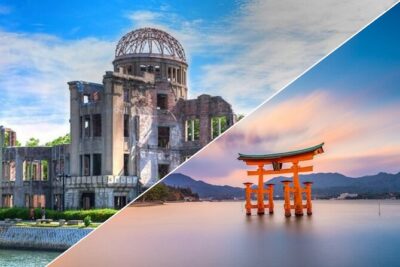
The most powerful part of this 12-hour Hiroshima and Miyajima day trip is its sharp change of mood. You begin with the Atomic Bomb Dome, Peace Memorial Park, and museum, then cross to Miyajima for the red torii gate, Itsukushima Shrine, and island streets. It is a serious day, but also a beautiful one.
I like the small maximum group of 20, which should make bus movement and guide communication easier than on a giant coach tour. I also like the special ferry route, designed to bring you close to the Great Torii for photographs. The main drawback is the pace: Hiroshima and Miyajima each deserve more than a few hours, and the long rail and bus journey makes this a demanding day.
In This Review
- Key points to know before booking
- A full day built around Hiroshima’s two faces
- Getting to Hiroshima from Osaka or Kyoto
- The Atomic Bomb Dome: a short, direct introduction
- Hiroshima Peace Memorial Museum: the emotional center
- Indian curry lunch and the value of a set meal
- The ferry to Miyajima and the Great Torii view
- Itsukushima Shrine: Miyajima’s signature sight
- One hour on Omotesandō Shopping Street
- What the guides add to a tight schedule
- Who should book this day trip?
- Booking, group size, and cancellation details
- Should you book the Hiroshima and Miyajima tour?
- FAQ
- How long does the Hiroshima and Miyajima tour last?
- Where does the sightseeing portion begin?
- What places are included?
- Is admission included?
- What is served for lunch?
- Can the restaurant accommodate allergies?
- How many people can join the tour?
- What happens if the Peace Memorial Museum is closed?
- Can I cancel for a refund?
Key points to know before booking
- Two major sights in one day: Combine Hiroshima’s peace sites with Miyajima’s famous shrine and torii gate.
- A meaningful order: The solemn Hiroshima visit comes before the more relaxed island afternoon.
- Indian curry lunch: The meal can be changed to vegetarian, but dietary needs must be reported when booking.
- Special ferry route: The crossing offers a close view of Miyajima’s Great Torii.
- Guides add context: Guides including Yuko, Joe, and Azura have been praised for clear explanations, humor, and keeping the group on time.
- A long, fixed schedule: Expect roughly 12 hours, shared transport, and limited freedom to linger.
A full day built around Hiroshima’s two faces
This outing links two of western Japan’s best-known places, but they offer very different experiences. Hiroshima asks you to slow down and think about war, civilian suffering, and the work of peace. Miyajima follows with Shinto architecture, sea views, and time to wander through Omotesandō Shopping Street.
That contrast gives the day its shape. You are not simply checking off monuments. You are moving from one of Japan’s most important modern memorial sites to one of its most recognizable sacred settings.
The tour uses air-conditioned bus transport and shared travel with a maximum of 20 people. That group limit matters. You still need to stay with the schedule, but a group of this size is easier to manage than a full-size sightseeing coach.
The total price is listed at $280.16 per person. That is a serious outlay for one day, so the value depends on what you need. If you are already in Hiroshima and can arrange your own visits, you can likely spend less. If you are based in Osaka or Kyoto and want transport, entry tickets, a guide, lunch, and a carefully planned route bundled together, the price may be reasonable for the convenience.
A few more Kyoto tours and experiences worth a look

Getting to Hiroshima from Osaka or Kyoto
The tour title presents this as a trip from Osaka or Kyoto, while the sightseeing portion begins at Hiroshima Station. The practical point is that you should read your meeting instructions closely and confirm where your departure support begins.
One detailed account describes an Osaka greeter helping with the train and directing the group to Hiroshima. That sort of assistance can be useful if you are unfamiliar with Japanese rail stations or do not want to manage a long transfer on your own.
Once the sightseeing starts, you will spend a good part of the day looking out of the bus window. The journey is not wasted time, but it does add to the day’s length. Wear comfortable shoes, keep essentials in a small bag, and expect a schedule that rewards punctuality.
The Atomic Bomb Dome: a short, direct introduction
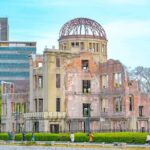
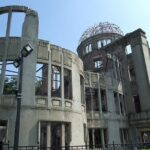
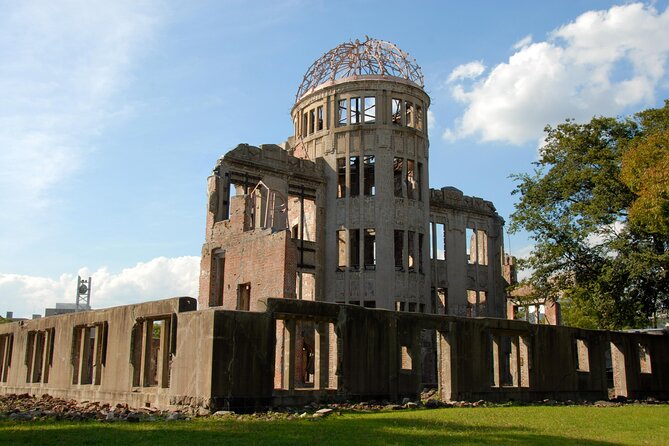
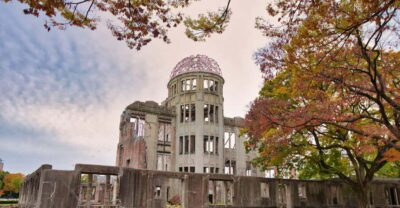
The first scheduled stop is the Atomic Bomb Dome, with about 30 minutes to see it. Admission is free.
The skeletal building is one of Hiroshima’s clearest reminders of the atomic bombing and its human cost. You do not need a long visit to understand its force. The exposed structure, set beside the river and memorial grounds, makes the past feel close rather than abstract.
Thirty minutes is enough for photographs and a first look, but it is not enough for a slow examination of every nearby memorial. Your guide should help explain the site and point out what matters most. Azura was specifically praised for adding information about sights along the drive as well as the main stops, a useful quality on a tightly timed tour.
This is not a light sightseeing stop. Give it your attention. The visit works best when you allow some quiet rather than treating the dome as just another photo opportunity.
Hiroshima Peace Memorial Museum: the emotional center
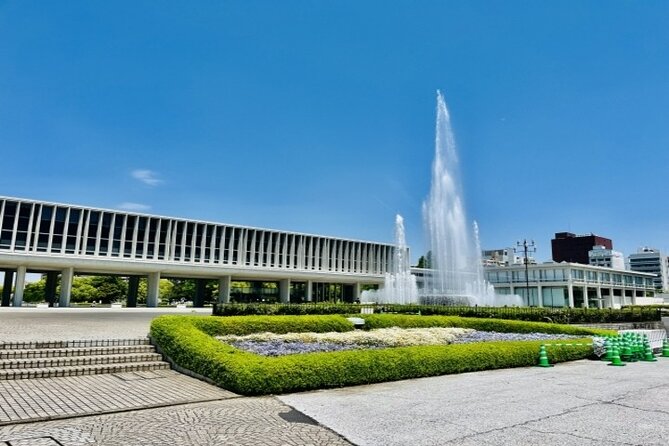
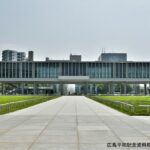
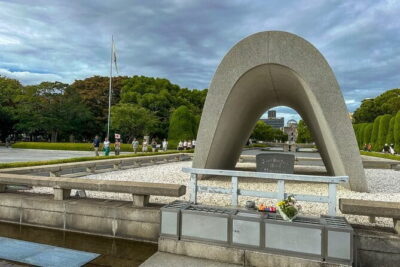
The Peace Memorial Museum receives about 1 hour and 45 minutes, with admission included. This is the longest scheduled stop and the heart of the Hiroshima portion.
The museum documents the atomic bombing during World War II, with attention to the destruction, injuries, and lives changed by the attack. It also places the event within a broader message about the dangers of nuclear warfare and the need for peace.
You will have time to move through the exhibits independently, though the museum can be very crowded, especially with school groups. That matters because crowding may slow your progress and make some displays harder to examine closely. Keep an eye on the meeting time. The bus cannot wait for a long final look.
The museum can be difficult emotionally. That is part of its purpose, but it also means the day may feel heavier than a standard sightseeing trip. I would not schedule another major attraction immediately afterward if you want time to process what you have seen.
The tour’s guide is most useful here as a source of historical setting and practical direction, not as someone who should talk over the museum itself. Joe was praised for making Hiroshima’s past understandable and engaging, while Yuko was praised for answering questions and providing historical detail. A good guide can help connect the museum to the surrounding memorial park without turning the visit into a lecture.
If the museum is closed, the schedule may change to another peace memorial facility. That protects the main purpose of the Hiroshima visit, but the replacement will not necessarily provide the same collection or displays.
Indian curry lunch and the value of a set meal
Lunch is Indian curry, with a vegetarian version available by arrangement. You must report allergies or dietary restrictions when booking, because menu changes cannot be handled on the day.
That rule is worth taking seriously. Do not assume the restaurant can improvise a substitute after you arrive. You also cannot bring your own food or drinks into the restaurant.
The meal gives the group a fixed break before the Miyajima portion. Indian food may be a welcome change from the usual Japanese tour lunch, particularly if you have been eating similar meals throughout your trip. At the same time, one piece of feedback raised concerns about lunch, so I would treat the meal as a practical inclusion rather than the main reason to choose this tour.
The included lunch adds value by saving you from searching for a restaurant during a short schedule. It also keeps the group together. If food is a major part of your travel plans, however, you may prefer a tour with more choice or a longer independent meal stop.
A few more Kyoto tours and experiences worth a look
The ferry to Miyajima and the Great Torii view
The crossing to Miyajima uses a special ferry route from Hiroshima toward Miyajimaguchi. The route is designed to bring you close to the Great Torii, giving you a strong angle for photographs from the water.
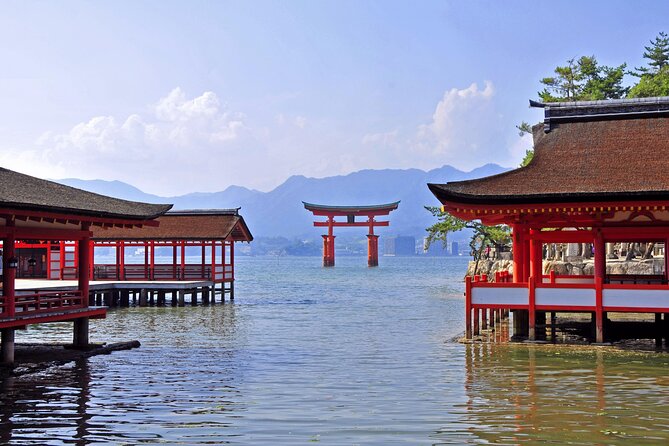
That detail is more important than it may sound. Miyajima’s red torii is famous partly because its relationship with the sea changes with the tide. From the ferry, you can see the gate in its wider setting rather than viewing it only from the shore.
Conditions can affect the exact impression. The tour requires good weather, and the experience may be canceled if conditions are poor. You should also remember that a photograph is not guaranteed to look exactly like the promotional image, since water levels, weather, and the gate’s condition can vary.
The ferry helps break up the bus journey and gives the afternoon a clear change of scene. After Hiroshima’s memorial sites, arriving on an island by boat feels like a genuine shift in pace.
Itsukushima Shrine: Miyajima’s signature sight
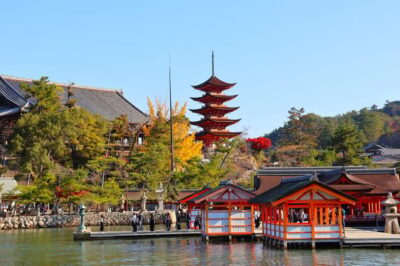
You have about 1 hour and 10 minutes at Itsukushima Shrine, with admission included.
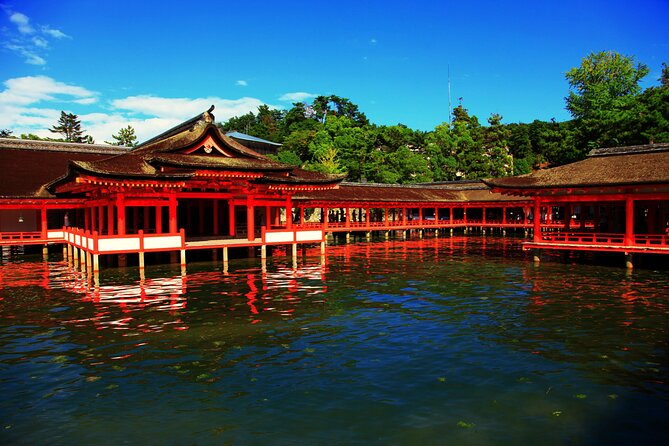
The shrine is known for its red buildings and its setting beside the water. It is a historic Shinto site and one of Japan’s most recognizable views. The architecture can appear to float when the sea is high, which explains much of the shrine’s visual power.
The visit is short, so you should enter with a plan. Follow the guide’s timing, see the main shrine areas, and leave room for photographs. If you want a slow architectural study or a long period of quiet reflection, this schedule may feel too brief.
I like placing Miyajima after the Peace Memorial Museum. The shrine does not erase the difficult morning, but its calm setting gives the day a gentler final chapter. You can appreciate the island’s beauty without pretending that the two parts of the tour carry the same emotional weight.
Your guide may also help with the practical side of the visit, especially when the group needs to move from the ferry to the shrine and then toward the shopping street. Yuko, Joe, and Azura each received praise for clear information and strong group management, though guide assignments can vary by date.
One hour on Omotesandō Shopping Street
The final scheduled stop is Omotesandō Shopping Street, with one hour of free time and no admission charge.
This is your chance to loosen the day’s structure. You can browse shops, look for local souvenirs, and take in the island atmosphere before returning to the group. The time is useful, but do not expect a long independent exploration of all Miyajima has to offer.
One hour passes quickly, especially if you want food, shopping, and photographs. Keep track of the meeting point and departure time. A shared tour can only work when everyone returns promptly.
The shopping street also gives you a more everyday view of Miyajima. After the formal shrine visit, you can see how the island presents itself to people arriving for a short visit. It is not the same as wandering without a schedule, but it adds a lighter finish to a serious day.
What the guides add to a tight schedule
The strongest part of this experience is likely to be the guide. The tour has received a high 4.9 rating from seven published ratings, and the praise centers on clear explanations, warmth, humor, and keeping the group on time.
Azura was described as engaging and funny while still sharing information about places seen from the bus. Joe was praised for making Hiroshima’s past come to life. Yuko received credit for answering questions and explaining the history of both Hiroshima and Miyajima.
Those qualities matter because this is not a self-guided day. You are moving through several sites with fixed entry times, transport connections, lunch, and a ferry. A guide who gives useful background without losing control of the clock can make the difference between a calm day and a frantic one.
The shared format also means the guide’s attention is divided among the group. If you want long private conversations or a custom route, this is not the right style of tour. If you value structure and explanation, the format is a good fit.
Who should book this day trip?
I would recommend this experience to you if Hiroshima and Miyajima are high priorities but your Japan itinerary is based in Osaka or Kyoto. It covers the main sights with transport and entry fees organized in advance, which removes a lot of planning from a difficult long-distance day.
It also suits first-time visitors who want historical context. The Atomic Bomb Dome and museum are more meaningful when you understand what you are seeing, and the guides appear to take that responsibility seriously.
You should think twice if you dislike long travel days, fixed meal arrangements, or short visits. Miyajima deserves more time than this tour allows, and Hiroshima’s museum can easily absorb the entire day by itself.
Families and older adults may appreciate the air-conditioned bus and organized route, but the full day is still tiring. Most people can take part, and the activity is near public transportation, but the schedule includes transfers and walking between major sights.
Booking, group size, and cancellation details
Confirmation is sent within 48 hours, subject to availability. The tour is commonly booked about 80 days ahead, which suggests that popular dates may require planning.
The maximum group size is 20. If at least 10 people have not booked by 14 days before the scheduled date, the operator may cancel that date. If this happens, you can receive another date or experience, or a full refund.
Free cancellation is available until 24 hours before the start time. Cancellations or changes made inside that period are not accepted for a refund. The experience also depends on good weather, so a weather cancellation brings the choice of another date or a full refund.
Should you book the Hiroshima and Miyajima tour?
Book it if you want the main Hiroshima memorial sites and Miyajima in one organized day, especially from an Osaka or Kyoto base. The special ferry route, included admissions, Indian curry lunch, and capable guides make the high price easier to justify.
Skip it if you prefer slow travel or want to explore Miyajima beyond its shrine and shopping street. This is an efficient introduction, not a leisurely island stay. For many first visits, though, its mix of difficult history, sacred architecture, and practical transport makes it a strong use of one very full day.
FAQ
How long does the Hiroshima and Miyajima tour last?
The experience lasts approximately 12 hours, including the travel time between the departure area, Hiroshima, and Miyajima.
Where does the sightseeing portion begin?
The sightseeing portion begins at Hiroshima Station. The tour title refers to departures from Osaka or Kyoto, so check your specific meeting instructions for the transfer arrangements.
What places are included?
The scheduled stops are the Atomic Bomb Dome, Hiroshima Peace Memorial Museum, Itsukushima Shrine, and Miyajima Omotesandō Shopping Street.
Is admission included?
Admission to the Hiroshima Peace Memorial Museum and Itsukushima Shrine is included. The Atomic Bomb Dome and Omotesandō Shopping Street do not require an admission ticket.
What is served for lunch?
Lunch is Indian curry. A vegetarian version can be arranged if you request it in advance.
Can the restaurant accommodate allergies?
You must report allergies or other dietary restrictions when booking. Menu changes cannot be arranged on the day of the tour.
How many people can join the tour?
The tour is shared rather than private and has a maximum of 20 participants. It may be canceled if the minimum of 10 participants is not reached by 14 days before the scheduled date.
What happens if the Peace Memorial Museum is closed?
The itinerary may be changed to another peace memorial facility.
Can I cancel for a refund?
You can cancel up to 24 hours before the start time for a full refund. If poor weather or an insufficient number of participants causes the operator to cancel, you can choose another date or experience, or receive a full refund.
More Day Trips from Osaka & Kyoto in Kyoto
More Hiroshima City Tours in Kyoto
More Miyajima Tours in Kyoto
More tours in Kyoto we've reviewed
Miyajima Tours, compared.
 ★ 5.0Peaceful Hiroshima & Miyajima UNESCO 1 Day Bus TourFrom $129
 ★ 4.9Hiroshima: Hiroshima and Miyajima UNESCO Sites 1-Day TourFrom $1228 hours
 ★ 5.0Hiroshima / Miyajima Full-day Private Tour with Government Licensed GuideFrom $202
 ★ 4.7Osaka/Kyoto: Hiroshima Miyajima Bus Tour & Shinkansen TicketFrom $27712 hours
 ★ 4.7From Hiroshima: Hiroshima & Miyajima 1 Day Tour with LunchFrom $1168 hours
 ★ 5.0Hiroshima and Miyajima Day Trip with Itsukushima Shrine & FerryFrom $45
