
Reviewed · TEA CEREMONY & KIMONO EXPERIENCES
Kiku Plan – Wagashi making and tea ceremony experience –
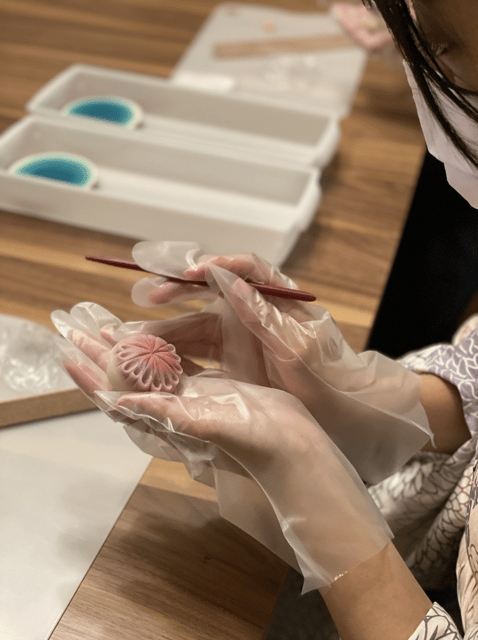
The best part of this experience is the shift from making Japanese Wagashi to eating it in a tea room. You shape one Nerikiri sweet, a delicate confection often formed like a flower, then take part in a Japanese tea ceremony in an old folk house.
I like the seasonal design, especially the chrysanthemum and fireworks forms, and I like the small group limit of eight. The fruit and vegetable extracts used for the colors also give the sweets a natural touch. The drawback is the short 40-minute schedule, so you should expect a focused introduction rather than a long lesson in tea culture.
In This Review
- Key Points
- Making Nerikiri in an Old Folk House
- Chrysanthemums, Fireworks, and Seasonal Design
- From Sweet Making to the Tea Room
- Why the Eight-Person Limit Matters
- Is $22 Good Value for 40 Minutes?
- Who Will Enjoy This Experience Most?
- Practical Timing and Booking Advice
- Should You Book the Kiku Plan?
- FAQ
- How long does the Kiku Plan last?
- What will I make during the workshop?
- Is a tea ceremony included?
- Where does the activity meet?
- Is the activity offered in English?
- Can I cancel my booking?
Key Points
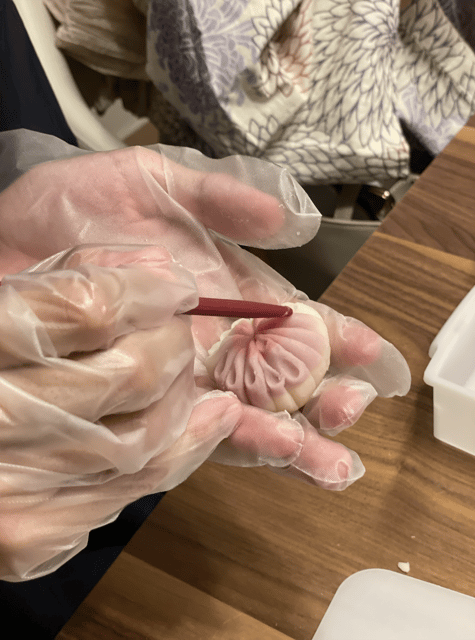
- Make one seasonal Nerikiri: Shape a traditional Japanese sweet in either chrysanthemum or fireworks style.
- Move from craft to ceremony: Eat your finished Wagashi during a tea ceremony in the tea room.
- Meet in an old folk house: The setting gives the activity a traditional feel without requiring a full-day tour.
- Keep the group small: No more than eight participants allows for a calmer, more personal class.
- Use English or Japanese: Instruction is available in both languages.
- Add the kimono-style detail: A Kuromoji eating stick in a cute kimono origami container is optional.
Making Nerikiri in an Old Folk House
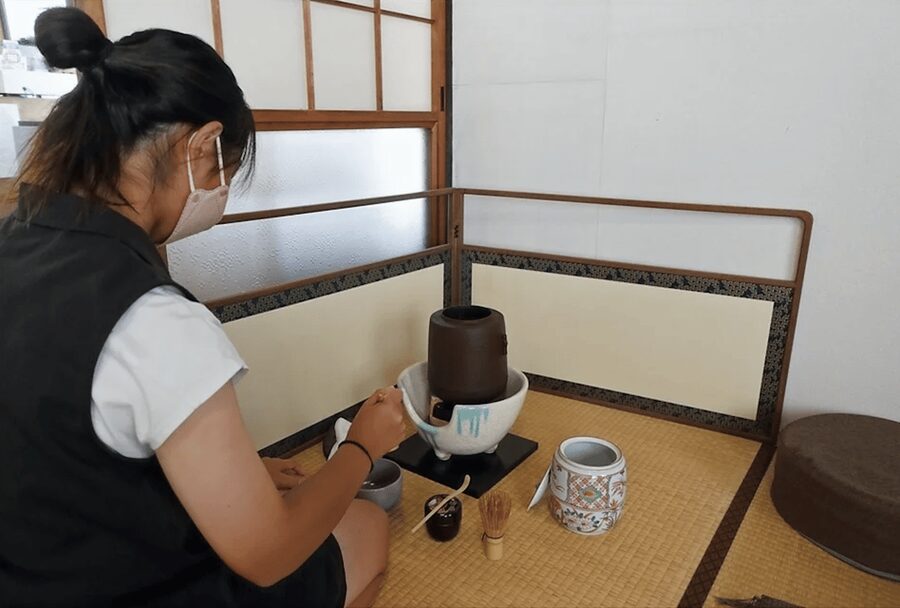
This experience begins at an old folk house in Japan’s Chugoku Region. That setting matters. You are not simply sitting at a modern cooking counter and assembling a sweet. You are entering a space connected with the traditional side of Japanese daily life, then learning about Wagashi through your hands and eyes.
The activity centers on one Nerikiri. This is a soft Japanese sweet made in carefully shaped forms, often inspired by flowers, seasons, or local events. The workshop specifically features chrysanthemum and fireworks designs, giving you two very different images to work with: one tied to a classic flower and the other to summer celebrations.
You should expect to make one sweet, not a box of confections. That keeps the class manageable within 40 minutes, but it also means this is best viewed as a cultural introduction rather than a full pastry course. If you want several attempts at shaping Nerikiri, the short schedule may feel restrictive.
The color comes from powdered extracts of fruits and vegetables. That does not turn Nerikiri into a health food, since it is still a Japanese sweet, but it is a pleasant detail for anyone who prefers food coloring with a more natural source. The colors also help create the flower and fireworks patterns that make these sweets so attractive before you even taste them.
A few more Yamaguchi tours and experiences worth a look
Chrysanthemums, Fireworks, and Seasonal Design
The shape is the real lesson here. Nerikiri is valued not only for its flavor but also for its appearance, and the form can change with the season. A chrysanthemum design feels refined and closely tied to Japanese floral traditions. A fireworks design has a lighter, more festive character.
This focus on seasonal imagery gives the workshop more meaning than a generic cooking activity. You are learning that Japanese sweets often communicate time and place through color and form. A small confection can suggest a season, a celebration, or a flower without needing a printed explanation.
The information provided does not specify which design will be offered on every date, so you should check the current session details when booking. The workshop description identifies both chrysanthemum and fireworks, but the exact option may depend on the season or class plan.
I also like that the optional Kuromoji comes in a cute kimono origami container. Kuromoji is the small stick used to eat Wagashi. It is a minor extra, but it adds a nice visual touch and makes the presentation feel more complete. Since it is optional, you can decide if that keepsake-style detail is worth adding to your booking.
From Sweet Making to the Tea Room
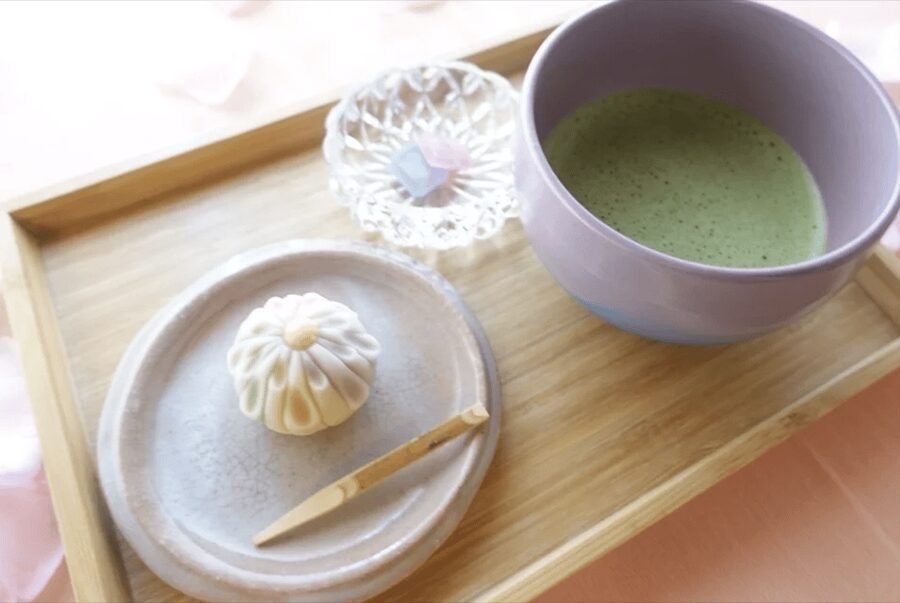
After shaping the Nerikiri, you move into the tea ceremony portion of the experience. This is where the activity becomes more than a hands-on food class. You get to see how the sweet fits into a traditional Japanese tea setting.
The ceremony is held in a tea room, and the finished Wagashi is part of the experience. The sweet is not treated as a separate snack to eat quickly between activities. It is presented as part of a calm cultural ritual, with tea and attention to the setting.
You should keep your expectations realistic. At 40 minutes, this is a compact tea ceremony experience. It gives you a chance to take part and understand the connection between Wagashi and tea, but it is not intended to cover every rule, school, utensil, or historical detail connected with Japanese tea ceremony.
That short length can also be a strength. If you are fitting several activities into a day, 40 minutes is easy to schedule. It works well for someone who wants a quiet cultural pause without giving up half a day. Families and first-time visitors may also find the limited format less intimidating than a formal, lengthy ceremony.
Why the Eight-Person Limit Matters
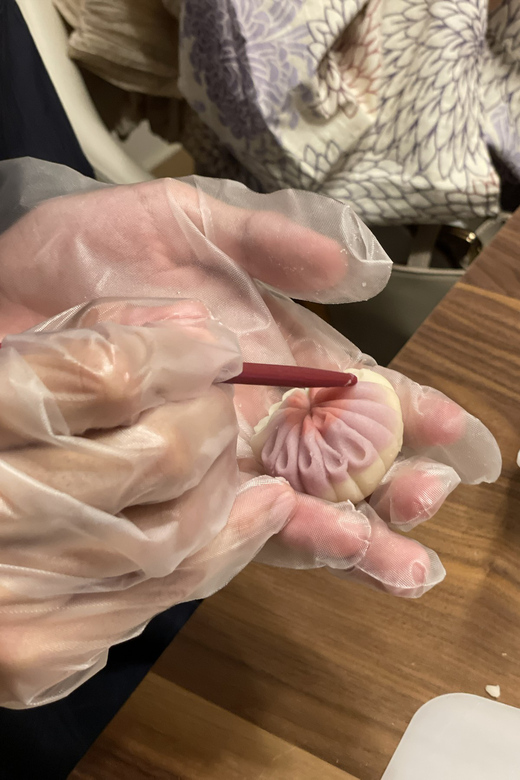
The group is limited to eight participants. For a craft activity, this is a useful size. You have a better chance of following the shaping process clearly, asking for help, and seeing the details of the sweet as it comes together.
Small groups also suit the tea room. A packed class could make the ceremony feel like a demonstration viewed from the back of a crowd. With no more than eight people, the room should feel more controlled and personal, although the exact level of individual instruction is not specified.
Instruction is available in Japanese and English. That is important for a craft where much of the learning comes from watching hand movements, but English support also makes the process easier to follow if you do not speak Japanese. The provider is LAWAKU.
A small booking-plan error was corrected by the staff during one visit, with the staff described as charming and helpful. I would still check your reservation details before setting out, but that response is encouraging if a minor scheduling problem appears.
Is $22 Good Value for 40 Minutes?
At $22 per person, this experience offers a fair price for a short cultural activity. You receive two linked parts: making one seasonal Nerikiri and taking part in a tea ceremony. The old folk house setting and small group add value, especially if you want something more focused than a large sightseeing stop.
The main question is what you want from the class. If you are measuring value by the amount of food you take home, this may seem modest because you make only one sweet. If you are paying for a guided cultural encounter, the price is easier to justify. You get instruction, a traditional setting, a seasonal design, and a chance to eat the sweet in the tea room.
The short duration also reduces the risk of overcommitting. You can fit it around other plans, and you do not need to dedicate a full morning or afternoon. At the same time, do not book it expecting a detailed cooking course or an extended ceremony. The value comes from the combination of experiences, not from quantity.
Who Will Enjoy This Experience Most?
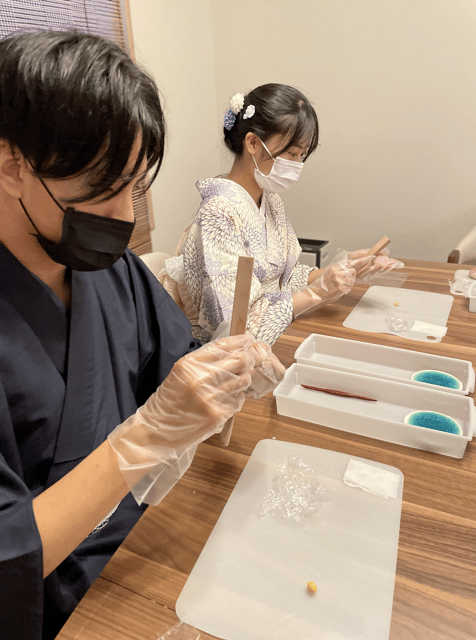
I would recommend the Kiku Plan to you if you enjoy hands-on cultural activities and want a gentle introduction to Japanese sweets. It suits first-time visitors who want to do something connected with local tradition rather than only look at buildings and monuments.
It is also a good choice for people who enjoy food presentation, seasonal customs, and small creative tasks. The chrysanthemum and fireworks shapes provide a clear theme, while the tea ceremony gives the finished sweet a proper setting.
The activity may suit families and couples, but the available information does not specify a minimum age or special children’s format. If you are booking for a child, confirm the age rules directly before reserving.
This is not suitable for wheelchair users, according to the activity information. It is also not suitable for people with a cold. That restriction is important in a tea room and food-handling setting, so do not assume you can attend if you are unwell.
Alcohol and drugs are not allowed. Nudity is prohibited, and video recording is not allowed during the activity. You can still enjoy the visual side of the class, but you should plan to put your camera away for the workshop and ceremony.
Practical Timing and Booking Advice
The experience lasts 40 minutes, with starting times based on availability. Because the session is short, arriving at the old folk house with a little time to spare is sensible, especially if you are unfamiliar with the meeting point.
The booking terms are flexible. You can reserve now and pay later, which helps if you are still arranging your Japan schedule. You can also cancel up to 24 hours in advance for a full refund.
The meeting point is listed as an old folk house, but no additional transport directions are provided in the activity details. Check the exact meeting instructions and map information before you go. Do not rely on the general Chugoku Region location alone, since the region covers a large area.
The activity is offered in Japanese and English. If you need a specific level of English explanation for the ceremony or sweet-making steps, you may want to confirm that before booking, since the information identifies the available languages but does not name the instructor.
Should You Book the Kiku Plan?
Book it if you want a short, calm cultural experience with a clear beginning and end. The combination of one seasonal Nerikiri, a tea ceremony, an old folk house, and a group capped at eight gives the activity a pleasing sense of purpose.
At $22, it is a sensible add-on to a day of sightseeing, especially if you value participation over collecting more photographs. Just remember that you make one sweet and spend only 40 minutes there. If you want a long tea ceremony, a full Wagashi lesson, or an accessible venue for wheelchair users, choose a different activity.
For everyone else, the Kiku Plan offers a tidy introduction to the relationship between Japanese sweets, seasonal design, and tea. The small group and English option make it approachable, while the traditional setting keeps it from feeling like a rushed snack class.
FAQ
How long does the Kiku Plan last?
The experience lasts 40 minutes. Starting times depend on availability.
What will I make during the workshop?
You will make one Nerikiri, a traditional Japanese sweet. The workshop features chrysanthemum and fireworks designs.
Is a tea ceremony included?
Yes. After making the Wagashi, you will take part in a tea ceremony in the tea room.
Where does the activity meet?
The meeting point is an old folk house in Japan’s Chugoku Region.
Is the activity offered in English?
Yes. Instruction is available in Japanese and English.
Can I cancel my booking?
You can cancel up to 24 hours in advance for a full refund. The activity also allows you to reserve now and pay later.
More Tea Ceremony & Kimono Experiences in Yamaguchi
More tours in Yamaguchi we've reviewed
Tea Ceremony & Kimono Experiences, compared.
 ★ 5.0Hiroshima Local guided Hiking Tour&Open-air Tea CeremonyFrom $109
 ★ 5.0Kimono and Tea Ceremony in MiyajimaFrom $85
 ★ 5.0An Amazing set of Cultural experience: Kimono, Tea Ceremony and CalligraphyFrom $132
 ★ 4.8Hiroshima: Morning Hiking Tour with Open-air Tea CeremonyFrom $1063 hours
 ★ 5.0Cultural Activities :Kimono, tea ceremony, Calligraphy and AmuletFrom $171
 ★ 5.0Experience the Soul of Hiroshima: A Peaceful Koto WorkshopFrom $501h 30m
