Reviewed · YAMAGUCHI TOURS
Hagi: Kumaya Art Museum, Tea ceremony and garden tour
The most unusual part of this Hagi experience is the setting: tea is served at the Kumaya Art Museum, inside the former world of a wealthy Edo-period merchant family. You are not simply learning how to hold a tea bowl. You are seeing the objects, rooms, gardens, and family story that give the ceremony its meaning.
I like the small group limit of four people, which should make it easier to follow the host’s instructions and ask about unfamiliar customs. I also like the mix of hands-on tea practice, wagashi tasting and making, art, old documents, and garden design. The main drawback is that the activity is not suitable for children under 10, pregnant women, or wheelchair users.
In This Review
- Key points at a glance
- Tea at the Kumaya family museum
- Wagashi gives the ceremony a sweet center
- Three kura storehouses full of family treasures
- Japan’s oldest piano adds an unexpected turn
- Edo-period gardens reward a slow walk
- What the day feels like from start to finish
- Is $51 a fair price?
- Who should book this Hagi experience?
- My recommendation
- FAQ
- Where is the tea ceremony held?
- How much does the experience cost?
- How many people can join the group?
- Which languages are available?
- What is included?
- Can I explore the museum after the tea ceremony?
- What can I see in the museum?
- What can I see in the garden?
- Is flash photography allowed?
- Who should not book this activity?
Key points at a glance
- Tea ceremony in a historic merchant setting: Learn Sa-do, the Japanese way of tea, at the Kumaya Art Museum.
- Wagashi is part of the lesson: Taste a traditional sweet and learn how it is made.
- Three storehouses hold the collection: See ink paintings, tea utensils, books, and documents in old kura buildings.
- Japan’s oldest piano is here: The British-style pianoforte was given by Philipp Franz von Siebold in 1828.
- The garden is a lesson in design: Look for a 600-year-old cycad, a 300-year-old Yōgō pine, and trees shaped in a Zen-inspired geometric style.
- A useful small-group choice: The group is limited to four, with Japanese and English support.
Tea at the Kumaya family museum
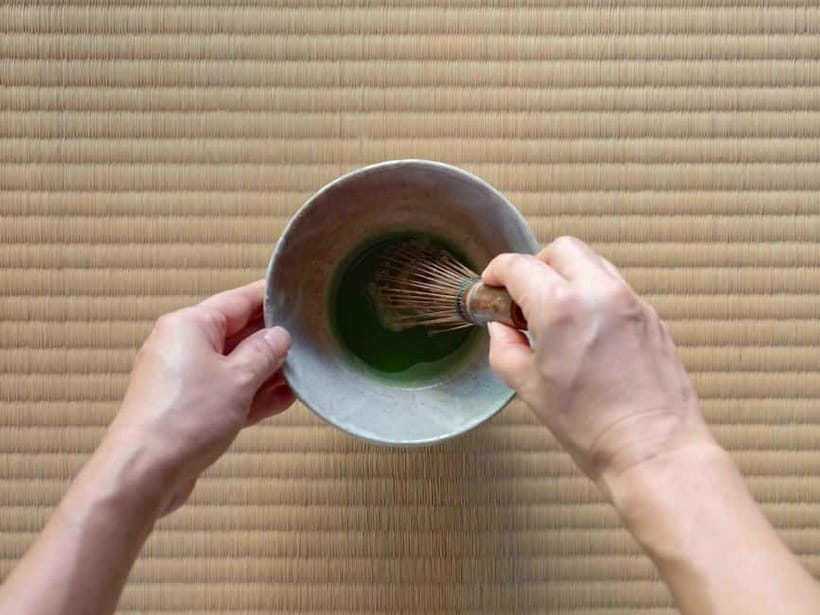
Kumaya Art Museum tells its story through things you can see and use. The Kumaya family were prosperous merchants and official suppliers to the Mōri lords during the Edo period. Their position gave them access to art, books, tea utensils, and records, many of which remain in the museum.
That background matters during the tea ceremony. A tea bowl or whisk is not just a prop for a workshop. It belongs to a tradition tied to hospitality, craftsmanship, social status, and careful attention to small actions. You get more from the experience when you treat the ceremony as a cultural lesson rather than a quick cup of green tea.
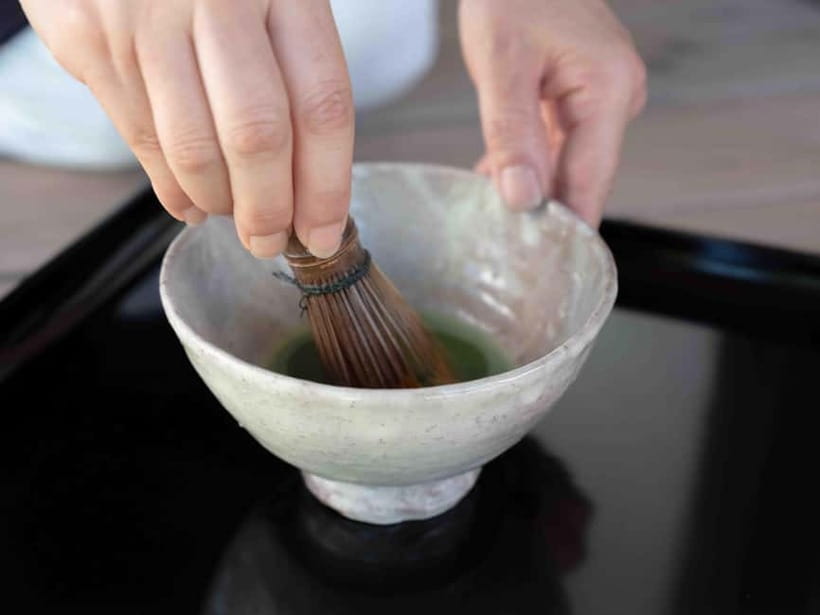
The host introduces the basic use of the tea utensils. You can expect guidance on how the tools are handled and how the ceremony proceeds. The English and Japanese language option is useful here, since small gestures can be hard to understand without explanation.
The group size makes a real difference. With no more than four participants, the host can keep the pace personal. You should have a better chance to see the tools clearly, follow the movements, and ask about the parts that seem puzzling.
If you're still narrowing it down, here are other tours in Yamaguchi we've reviewed.
Wagashi gives the ceremony a sweet center
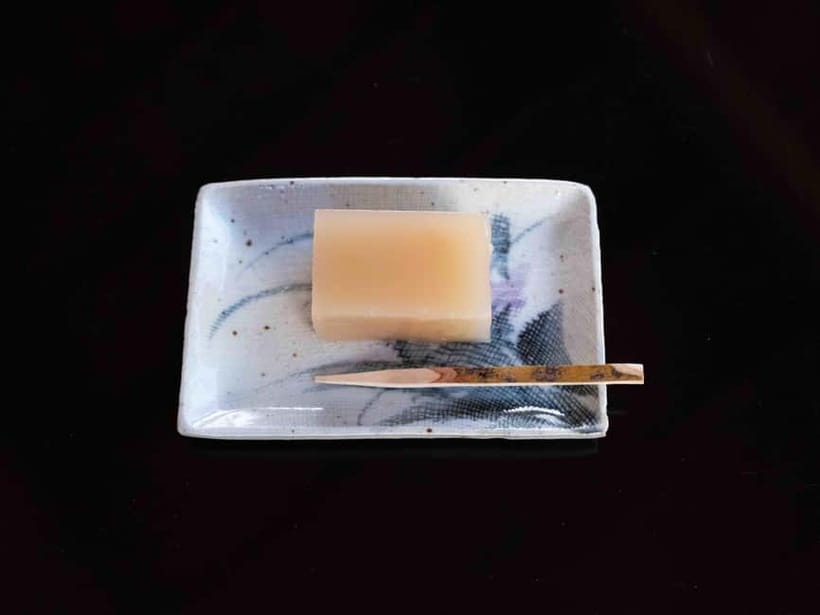
Traditional tea is served with wagashi, a Japanese sweet designed to balance the tea’s taste. Here, you taste the sweet and learn how to make it. That simple step helps connect the food to the ceremony instead of leaving it as a decorative extra.
I like this part because it gives you something concrete to remember. Museum displays can blur together after a full day of sightseeing. Learning about a small sweet and its role in tea gives the visit a practical detail you can carry into another tea room.
Do not expect a cooking class with a long recipe and a full meal. The included experience is a tasting, an introduction to making wagashi, and instruction in tea utensils. If you want lunch, plan that separately.
The tea ceremony also asks for patience. You may need to watch first, then copy the movements. That slower pace is part of the point, but it may feel formal if you prefer fast sightseeing. I would book this when you want a calm cultural hour, not when you are trying to check off as many sights as possible.
Three kura storehouses full of family treasures
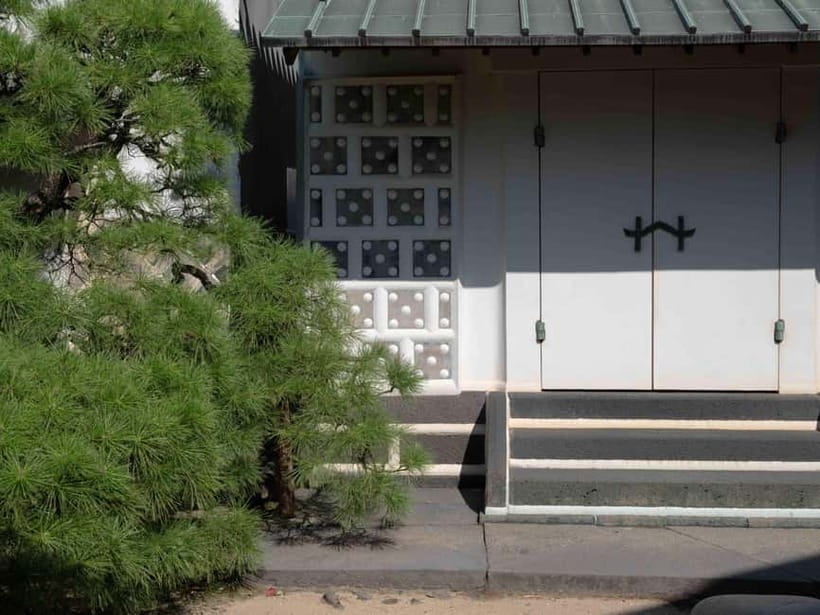
The museum collection is arranged in three large storehouses, known as kura. These traditional storage buildings give the collection a strong sense of place. You are seeing objects on the grounds of the family that collected them, rather than in a modern gallery with no connection to their original owners.
The holdings include ink paintings, tea utensils, documents, and books. Each category helps explain a different side of the Kumaya family. The paintings point to taste and artistic interests. The tea objects show how formal hospitality worked. The documents and books preserve the family’s business and cultural world.
You can explore the exhibitions at your own pace after the tea workshop. This is an important part of the visit, since the tea experience alone would not reveal the full range of the museum.
I would leave enough time to look closely rather than rushing through the kura. The supplied information does not give a fixed exhibition route or a timed guided tour after the workshop, so your visit to the displays is self-directed. That freedom suits independent visitors, but anyone hoping for a detailed explanation of every object should ask the host what can be discussed in English or Japanese.
Japan’s oldest piano adds an unexpected turn
The museum’s most surprising object is a British-style pianoforte described as Japan’s oldest piano. Dr. Philipp Franz von Siebold gave it to the Kumaya family in 1828.
This detail widens the story beyond tea and Japanese art. The piano shows that the Kumaya family’s connections reached into international exchange during the late Edo period. It also gives you a very different object to look for among the ink paintings, books, and tea wares.
The piano is worth seeking out even if musical instruments are not your main interest. It helps you picture the museum as a place where local Japanese traditions and foreign objects met. The date, 1828, makes it especially striking: this is not a modern museum display added to an old house, but a historic instrument linked to the family itself.
Flash photography is not allowed. Keep your camera settings respectful, and be ready to enjoy the displays without relying on bright images.
Edo-period gardens reward a slow walk
The garden may be the quietest part of the experience, but it deserves real attention. It is carefully maintained in an Edo-period style, with old trees and deliberate forms rather than a casual patch of greenery.
Look for the trio of pine, fir, and Elaeocarpus trees pruned in the maru sankaku shikaku format, meaning round, triangular, and square. This geometric arrangement is associated with Zen art. The shapes are not random trimming. They reflect an aesthetic that finds order and meaning in controlled form.
Two old trees deserve special notice. A 600-year-old cycad grows in the garden, along with a 300-year-old Yōgō pine. Their age gives you a direct sense of time that an object behind glass cannot quite match.
I like the way the garden extends the tea lesson. Tea culture pays attention to preparation, balance, space, and season. The garden uses the same kind of care on a larger scale. You can look at it as a pleasant outdoor walk, but you can also read it as part of the museum’s cultural lesson.
The garden may not suit visitors who want a large park or a long nature walk. Its value is in close observation: tree forms, pruning, age, and the way the garden belongs to the old merchant residence.
What the day feels like from start to finish
The activity is listed as valid for one day, with starting times available according to the booking calendar. The exact workshop length is not provided, so check the available time before you reserve and allow extra time for the museum exhibitions and garden.
Your visit begins with the tea ceremony experience at Kumaya Art Museum. The host introduces Sa-do and shows you how to use the utensils. Because the group is limited to four, you should receive direct guidance rather than watching from the back of a large class.
Next comes wagashi. You taste the traditional sweet and learn about its preparation. This part gives the ceremony a clear rhythm: first understand the tools and gestures, then taste the food that accompanies the tea.
After the workshop, explore the museum’s three kura at your own pace. Look for the ink paintings, tea utensils, documents, books, and the 1828 pianoforte. Finish with time in the garden, where the old cycad, Yōgō pine, and shaped trees deserve a slower look.
The order may vary depending on the host and start time, so treat this as a practical outline rather than a strict timetable. The important point is that the museum exhibitions are available for you to see after the workshop, not just as a backdrop for the tea ceremony.
Is $51 a fair price?
At $51 per person, this is not the cheapest way to spend time in Hagi. You are paying more than the cost of entering a garden or walking past a historic building. The value comes from combining a small-group tea lesson with museum access, wagashi, the Kumaya family story, and the garden.
I think the price is reasonable if you want an organized cultural experience with English support. A small group of four is often worth paying for, especially during a ceremony where seeing the utensils and movements clearly matters.
The museum also gives the activity more substance than a stand-alone tea demonstration. You can connect the ceremony to the family’s collection, the old storehouses, the imported pianoforte, and the garden’s design. That combination makes the visit feel like a complete introduction to one historic household.
The value is weaker if you only want a quick taste of matcha or a photo in traditional surroundings. In that case, the museum displays and garden may take more time and attention than you want. This is best for someone who enjoys context and careful detail.
Who should book this Hagi experience?
I would choose this for adults and older children who have a real interest in Japanese customs, historic houses, art, or gardens. The minimum age is 10, so families with younger children need another plan.
It also suits you if you have limited Japanese. The host or greeter can use Japanese or English, and the small group should make it easier to ask questions. Still, the experience depends on following cultural instructions, so listening closely matters more than speaking fluently.
This is a good match for visitors who want a quiet change from major temples, castles, or busy shopping streets. Hagi’s Kumaya Museum offers a more focused look at merchant life and tea culture.
You should reconsider it if you use a wheelchair, are pregnant, or are traveling with a child under 10, since the activity is specifically marked as unsuitable for those groups. Flash photography is also not allowed, so this is not the right pick if taking bright indoor photos is a priority.
You can cancel up to 24 hours before the experience for a full refund, and the reserve-now, pay-later option can help if your Hagi schedule is still shifting. Check the date and starting time carefully, since availability controls the appointment.
My recommendation
Book the Kumaya Art Museum tea ceremony if you want more than a staged cup of tea. The strongest parts are the four-person format, the chance to handle and understand tea utensils, the wagashi lesson, and the setting among the Kumaya family’s actual collection.
The old piano and the garden give the visit extra depth. The 1828 pianoforte opens a window onto international contact, while the 600-year-old cycad, 300-year-old pine, and geometric pruning bring Edo-period design into the open air.
I would skip it only if your schedule is too tight for a slow museum visit, or if your main goal is a short, inexpensive refreshment stop. For anyone interested in how tea, art, merchant wealth, and garden design fit together, $51 buys a thoughtful and distinctive piece of Hagi.
FAQ
Where is the tea ceremony held?
It is held at the Kumaya Art Museum in Hagi, Yamaguchi Prefecture, in Japan’s Chugoku Region.
How much does the experience cost?
The price is $51 per person.
How many people can join the group?
The group is limited to four participants.
Which languages are available?
The host or greeter can provide the experience in Japanese or English.
What is included?
The experience includes the tea ceremony, a tasting of wagashi, and an introduction to the use of tea utensils.
Can I explore the museum after the tea ceremony?
Yes. You can explore the museum exhibitions at your own pace after the workshop.
What can I see in the museum?
The collection includes ink paintings, tea utensils, documents, and books displayed in three large storehouses. The museum also features a British-style pianoforte given by Dr. Philipp Franz von Siebold in 1828.
What can I see in the garden?
The Edo-period gardens contain holly trees, a 600-year-old cycad, a 300-year-old Yōgō pine, and a group of pine, fir, and Elaeocarpus trees pruned in the round, triangular, square format.
Is flash photography allowed?
No. Flash photography is not allowed.
Who should not book this activity?
The activity is not suitable for children under 10, pregnant women, or wheelchair users.