
Reviewed · HIROSHIMA CITY TOURS
Hiroshima Country Cycling: Explore Rural Life 1 HR from City
The best part of this experience is that it takes you beyond the famous Hiroshima sights and into working farming communities most visitors only glimpse from an expressway. With guide Jonah leading the way, you ride through rice fields, vegetable plots, traditional homes, and small village roads at an easy pace.
I like the comfortable e-bikes, which make the countryside accessible without turning the day into a fitness test. I also like the chance to meet local people, including farmers, when arrangements and availability allow. The main consideration is the long day around the four-hour ride: you leave Hiroshima in the morning and do not return until late afternoon.
In This Review
- Key points to know before booking
- Why leave Hiroshima city for Oasa?
- The morning bus from Hiroshima
- Starting at Oasa IC and getting on the e-bike
- Kakeyama: a first look at rural routines
- Riding through rice fields and traditional villages
- Meeting local people in a working community
- Choosing between the herb-garden lunch and sushi-making
- How the timing works from 9:00 AM to 5:00 PM
- Price, group size, and what you receive
- Who will enjoy this ride most?
- Should you book Hiroshima Country Cycling?
- FAQ
- Where does the cycling tour take place?
- How do I get to the meeting point?
- How do I return to Hiroshima?
- Is the highway bus included?
- What is included in the tour price?
- Is lunch included?
- What languages does the guide speak?
- Is the tour suitable for beginners?
- What happens if the weather is bad?
Key points to know before booking
- Jonah guides the ride in English and Japanese, with time for questions about farming, local customs, and village life.
- The e-bikes help with hills and distance, but you still need to be able to ride a bicycle and handle a small-group outing.
- The countryside visit feels personal, with possible meetings with farmers or residents rather than a parade of formal attractions.
- Lunch adds local flavor, with an herb-garden meal costing about ¥1,000 to ¥1,300, or sushi-making available for about ¥3,000.
- The highway bus is simple and well timed, and JR Pass holders can use the round trip at no extra cost.
- The group is limited to eight people, making it easier to talk with Jonah and the people you meet.
Why leave Hiroshima city for Oasa?
Hiroshima is rightly known for its Peace Memorial Park, Atomic Bomb Dome, and ferry trips to Miyajima. Those sights matter, but they show only one part of the region. This cycling trip gives you a look at the ordinary Japan beyond the city, where agriculture and seasonal routines still shape daily life.
The destination is Oasa IC, roughly an hour from Hiroshima by highway bus. From there, the ride moves through rural communities and open farmland. You are not simply pedaling past scenery. Jonah explains how the area works, what farmers grow, and how changing seasons affect village life.
That difference matters. A photo of a rice field is easy to find. It is harder to understand who tends it, why young people leave for the cities, and what keeps a small community going. This is where the tour earns its place in a Hiroshima itinerary.
The pace is deliberately relaxed. You have time to stop, look around, take photos, refill your bottle, and ask questions. Multiple water refill points are available, but you need to bring your own bottle.
The morning bus from Hiroshima
You have two practical departure points. The JR highway bus leaves Hiroshima Station Bus Stop 3 at 9:00 AM. The stop is on the ground level near the Tourist Information and Bus Ticket Office.
A second departure leaves Hiroshima Bus Center Bus Stop 9 at 9:15 AM. The bus center is on the third floor of the Sogo building. You arrive at Oasa IC at 10:14 AM, where Jonah meets you.
This arrangement is one of the tour’s strong points. You do not need to arrange a taxi into the countryside or work out a complicated train and local-bus connection. The journey is direct, and the guide meets you at the interchange.
The round-trip bus fare is ¥3,560. That adds a noticeable cost if you do not hold a JR Pass, so include it when working out the total price. JR Pass holders can use the JR highway bus round trip without paying extra.
The bus schedule also shapes your day. You need to be at the correct stop in Hiroshima in the morning, and you must be ready for the 3:44 PM return from Oasa IC. Jonah escorts you back to the interchange, which helps remove the worry of finding the right return stop in an unfamiliar area.
Starting at Oasa IC and getting on the e-bike
At Oasa IC, Jonah greets you and gets the local portion underway. The tour provides the bicycle, helmet, guide service, accident insurance, and access to water refill points.
The e-bikes are important here. Rural roads are not always flat, and some parts of the route include uphill riding. The electric assistance lets you focus on the setting and conversation instead of spending the day fighting the road.
Still, do not mistake the ride for a motorized sightseeing tour. You need to know how to ride a bicycle, wear suitable clothing, and be comfortable spending about four hours outdoors. The pace can be adjusted, and Jonah has tailored the ride for people who book ahead, but the activity remains unsuitable for anyone who cannot ride.
The small group limit of eight is a good fit for this kind of outing. Jonah can answer individual questions, keep the pace manageable, and handle introductions with local people without turning the visit into a large organized group.
Kakeyama: a first look at rural routines
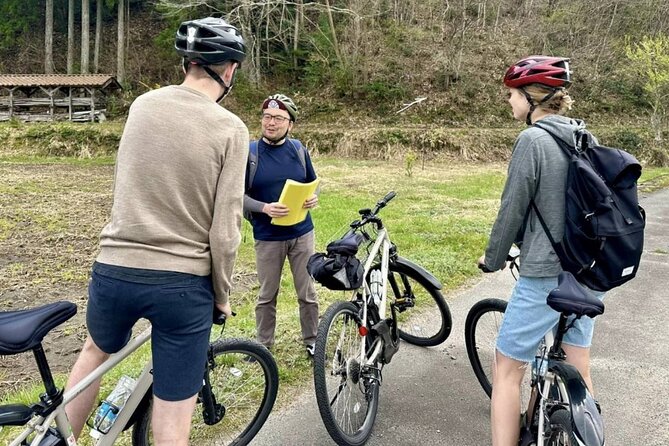
The Kakeyama visit takes about an hour and helps set the tone for the day. Instead of rushing from one landmark to another, you begin by observing a rural community at close range.
This is the sort of stop where details matter. You might notice rice fields being tended, vegetable farms, older homes, and the way houses sit beside working plots. Jonah provides the context that turns those views into a clearer picture of local life.
One memorable part of the experience can be meeting a farmer or resident. The local connections are not guaranteed, and they must be arranged in advance when possible, but they are worth requesting if rural culture is your main reason for booking.
The visit also gives you a chance to ask the questions that do not fit into a standard sightseeing schedule. You can ask about farming seasons, village changes, or how younger residents view life in the countryside. Jonah’s calm, patient style makes this especially useful for people who want conversation rather than a string of memorized facts.
Riding through rice fields and traditional villages
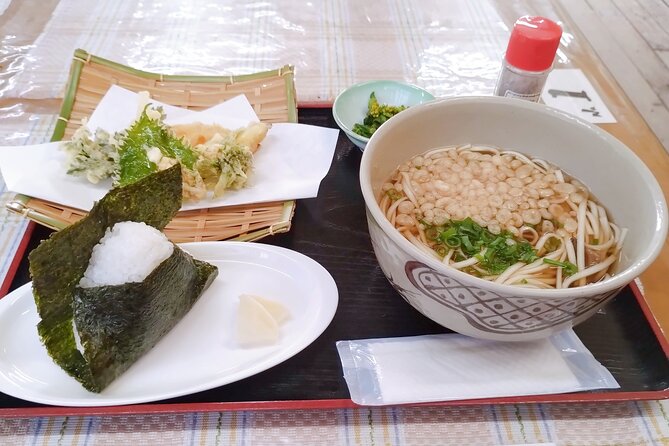
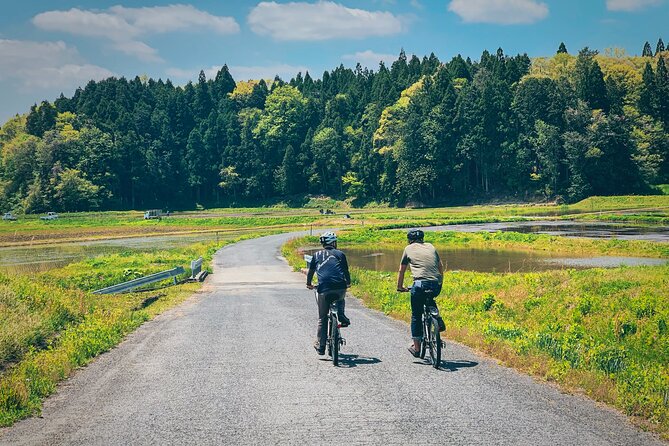
The cycling itself is the heart of the outing. The route passes rice fields, vegetable farms, traditional homes, and quiet country roads. You are seeing places where people work and live, not a preserved outdoor set built for sightseeing.
The route is balanced rather than punishing. You get some uphill riding, but the e-bike assistance keeps the effort reasonable. There are regular pauses, and Jonah can adjust the ride for the group when arrangements are made ahead of time.
This format suits you if you have already spent several days walking through crowded stations, shopping districts, and city centers. The change of pace is real. You hear less traffic, move at bicycle speed, and have time to notice small features that disappear from a bus window.
The drawback is that the tour may feel too quiet if you want a packed schedule of major attractions. Rural Japan offers observation rather than constant activity. You should book this for the chance to slow down and learn, not because you expect a long list of famous sights.
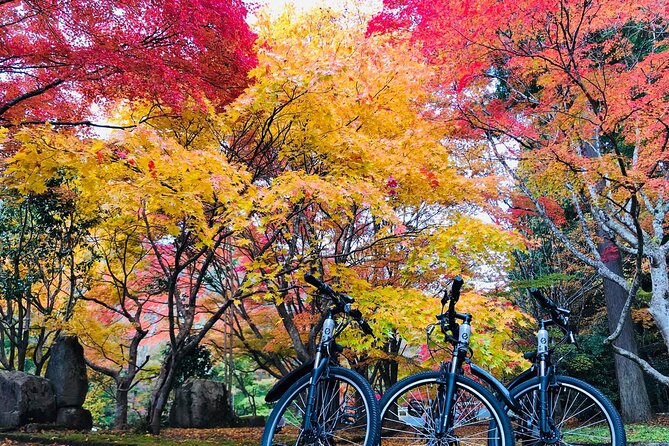
Traditional homes and farm plots also give the ride a strong seasonal quality. The exact look of the countryside depends on when you visit. Spring, summer, autumn, and winter bring different farming tasks and colors, though the experience requires good weather and may be canceled in poor conditions.
Meeting local people in a working community
The personal contact is what separates this ride from a simple bike rental. Jonah can arrange visits with local farmers or community members in advance, subject to availability. Ask about this before the day if meeting residents is a priority.
One possible encounter is particularly striking: a 92-year-old farmer who still works his rice fields with vigor. That kind of meeting gives you a direct sense of how farming knowledge passes through generations and how older residents continue to support their communities.
You should keep expectations flexible. This is not a guaranteed home visit or a formal cultural performance. People have work, schedules, and private lives. When a meeting can be arranged, it adds a human layer to the ride. When it cannot, Jonah still provides the local setting and explanation.
The language mix is also manageable. Jonah speaks English and Japanese, and the tour is designed to help you speak with English-speaking residents when possible. His patient approach is useful if you have a long list of questions or want help understanding a conversation.
Choosing between the herb-garden lunch and sushi-making
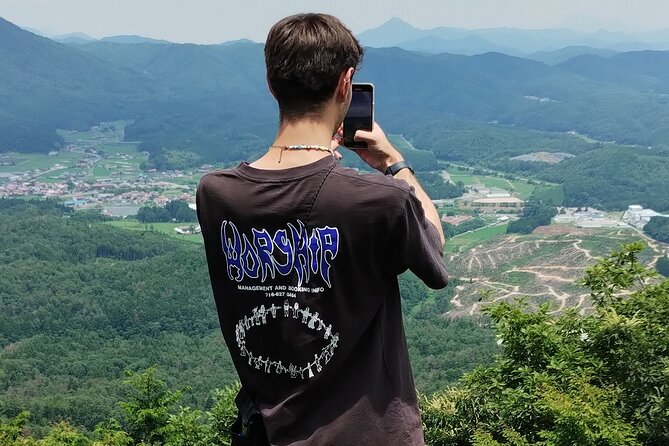
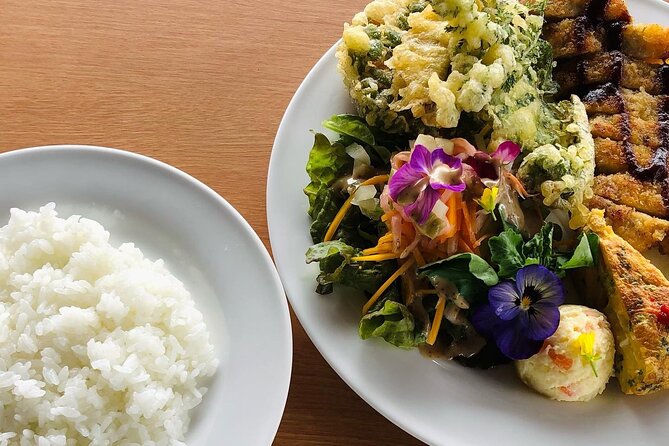
Food is part of the rural experience, but lunch is not included in the $83 tour price. A meal at the herb garden costs about ¥1,000 to ¥1,300 per person. Sushi-making costs about ¥3,000 per person.
The herb-garden meal is the better value if you want a simple local lunch without adding much to the day’s cost. It uses vegetables grown on site, and the setting connects the food with the farms you have just passed.
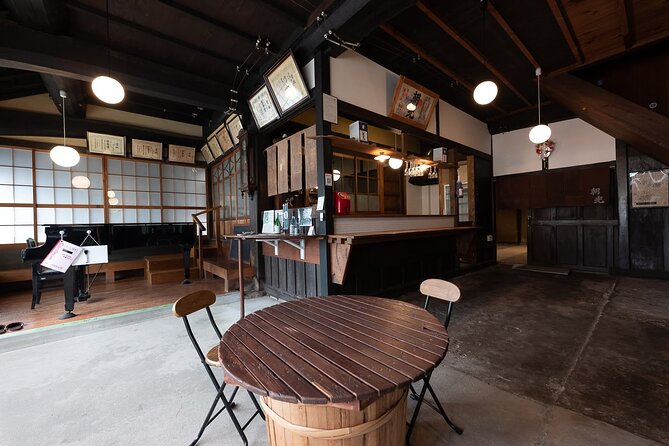
Sushi-making costs more, but it offers a hands-on activity in an old Japanese house. You receive instruction, prepare the sushi yourself, and then eat what you make. For many people, this is the day’s most memorable stop because it combines food, craft, and a traditional setting.
Check what is available when you book. The information describes both lunch options, but the exact choice may depend on the arrangement for your date. Bring cash, since it is specifically recommended for the experience and the food costs.
Neither option should be treated as a fancy restaurant meal. The appeal is the connection to place and people. If you want elaborate dining, this is not that sort of tour. If you like straightforward food tied to the local setting, it fits well.
How the timing works from 9:00 AM to 5:00 PM
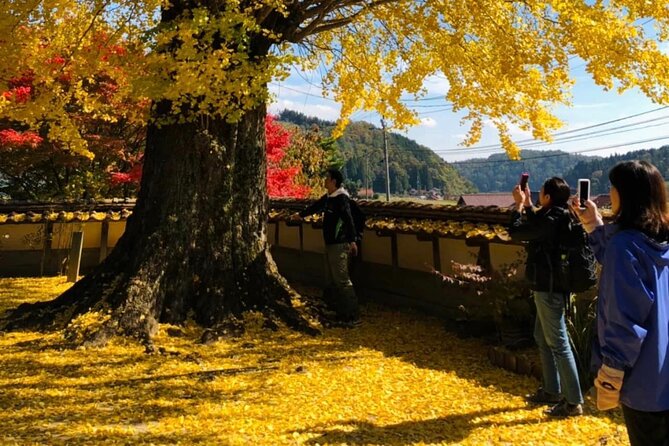
The local cycling and visits take about four hours, but the full outing occupies most of the day because of the bus ride.
A typical schedule looks like this:
- 9:00 AM: Depart Hiroshima Station, or 9:15 AM from Hiroshima Bus Center.
- 10:14 AM: Arrive at Oasa IC and meet Jonah.
- Late morning to early afternoon: Ride the e-bikes, visit Kakeyama and a traditional village, meet local people when arranged, and stop for lunch.
- 3:44 PM: Depart Oasa IC for Hiroshima.
- 4:43 PM: Arrive at Hiroshima Bus Center.
- 4:58 PM: Arrive at Hiroshima Station.
This timing makes the activity easy to add to a longer Hiroshima stay, but not to a morning when you have another reservation. Leave your afternoon open. The bus return is fixed, so you should not plan a tight connection immediately afterward.
The route includes several roughly one-hour portions, including Kakeyama, the traditional village, a local restaurant, and another cycling or community segment. The precise order can vary with the day’s arrangements, weather, and local availability.
Price, group size, and what you receive
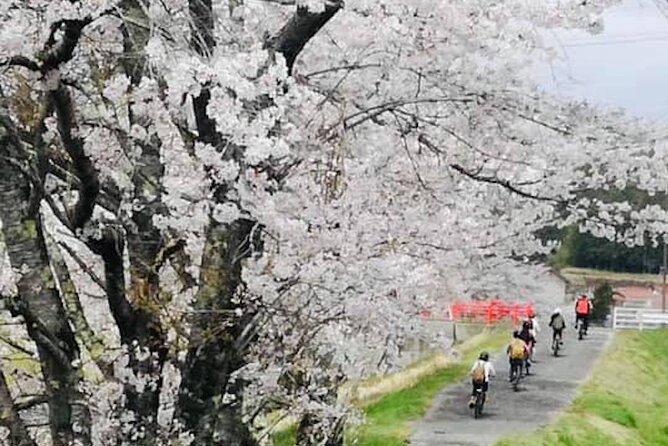
At $83 per person, the tour is fairly priced for a guided four-hour e-bike outing that includes the bicycle, helmet, insurance, and local guide. The value improves if you want cultural explanation and introductions rather than just equipment rental.
You should budget separately for the bus if you do not have a JR Pass. Add ¥3,560 for the round trip, plus lunch or sushi-making. The total cost can therefore rise well above the advertised activity price, especially if you choose the ¥3,000 sushi option.
For me, the small group is a key part of the value. A maximum of eight people gives Jonah room to adjust the pace, answer questions, and manage local visits. It also keeps the ride from feeling like a procession through the countryside.
The flexible booking terms help if your Hiroshima plans may change. You can cancel up to 24 hours ahead for a full refund, and reserve now while paying later. Weather remains an important condition because the experience can be canceled in poor weather, with a different date or full refund offered.
Who will enjoy this ride most?
I would choose this tour if you have an extra day in Hiroshima and want a change from city sightseeing. It is especially good for people who enjoy food, farming, local stories, and slow travel.
It also suits you if you have been moving quickly through Japan. The relaxed ride and open countryside offer a useful pause between major city stops. Jonah’s English makes the day workable for English-speaking visitors, while Japanese speakers can also join.
You should be comfortable riding a bicycle and managing a full day outside. The experience is not suitable for wheelchair users, people with mobility impairments, people who cannot ride, children under 140 centimeters, or anyone over 110 kilograms.
Wear comfortable clothes and shoes. Bring cash and your own water bottle. Intoxication is not allowed, and sensible conduct matters in a small rural community where the tour depends on respectful local contact.
Should you book Hiroshima Country Cycling?
Book it if you want to understand the region beyond Hiroshima’s headline sights. The e-bikes make the ride approachable, Jonah adds warmth and useful explanation, and the chance to meet farmers gives the day a personal edge.
Think twice if you have limited time, dislike fixed bus schedules, or want nonstop sightseeing. The extra transport cost, early departure, and weather dependence are real considerations.
For an extra day in Hiroshima, I think this is one of the better ways to see everyday rural Japan. Choose the herb-garden lunch for value, ask ahead about local meetings, and select sushi-making if you want the most hands-on version of the day.
FAQ
Where does the cycling tour take place?
The ride takes place in rural communities around Oasa IC, about an hour from Hiroshima by highway bus. The route includes Kakeyama, a traditional village, farmland, and local food stops.
How do I get to the meeting point?
Take the JR highway bus from Hiroshima Station Bus Stop 3 at 9:00 AM or Hiroshima Bus Center Bus Stop 9 at 9:15 AM. The guide meets you at Oasa IC at 10:14 AM.
How do I return to Hiroshima?
The return bus leaves Oasa IC at 3:44 PM. It arrives at Hiroshima Bus Center at 4:43 PM and Hiroshima Station at 4:58 PM. The guide escorts you back to the interchange.
Is the highway bus included?
The round-trip fare is ¥3,560. JR Pass holders can ride the JR highway bus round trip at no additional cost.
What is included in the tour price?
The price includes the bicycle, helmet, guide fee, accident insurance, and access to multiple water refill stations. Bring your own water bottle.
Is lunch included?
No. Lunch at the herb garden costs about ¥1,000 to ¥1,300 per person. Sushi-making costs about ¥3,000 per person.
What languages does the guide speak?
The tour is offered in English and Japanese. The guide named for this experience is Jonah.
Is the tour suitable for beginners?
The ride uses e-bikes and follows a relaxed pace, but you must be able to ride a bicycle. The experience is not suitable for people who cannot ride or have mobility impairments.
What happens if the weather is bad?
The activity requires good weather. If it is canceled because of poor weather, you can choose a different date or receive a full refund.
Hiroshima City Tours, compared.
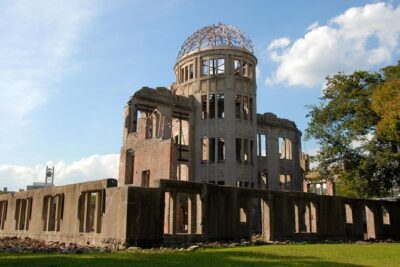 ★ 5.0Peaceful Hiroshima & Miyajima UNESCO 1 Day Bus TourFrom $129
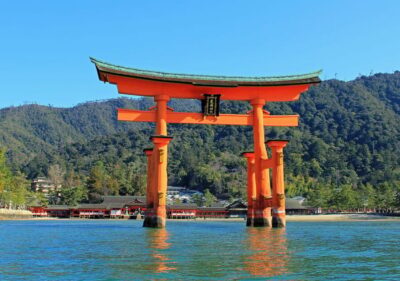 ★ 4.9Hiroshima: Hiroshima and Miyajima UNESCO Sites 1-Day TourFrom $1228 hours
 ★ 5.0Hiroshima / Miyajima Full-day Private Tour with Government Licensed GuideFrom $202
 ★ 4.7Osaka/Kyoto: Hiroshima Miyajima Bus Tour & Shinkansen TicketFrom $27712 hours
 ★ 4.8Hiroshima Historical Walking Tour – Why A-Bomb was DroppedFrom $352h 30m
 ★ 5.0Hiroshima Peace (Heiwa) Walking Tour at World Heritage SitesFrom $94
